Tehran takes the call: what a Doha meeting actually buys
Tehran has agreed to meet in Doha. The market is already pricing the thaw — and, more usefully, the limits of it.
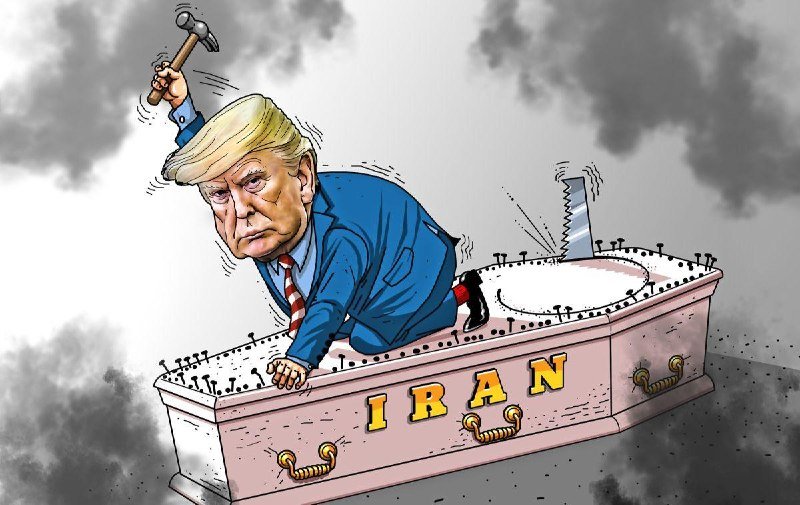
Donald Trump announced on 29 June 2026 that Iran had requested a meeting and that it would take place the following day in Doha — a Qatari capital already accustomed to hosting the diplomacy that the Gulf's bigger capitals cannot. The same post landed alongside a market signal: WTI crude trading around $69 a barrel, lower than before what the post called the "Denuclearization of Iran." The two announcements, made within minutes of each other, are not separable. The market is reading the meeting as confirmation that the thawing between Washington and Tehran is real. The hard part is deciding whether that read is right.
For once, the oil tape is doing the analyst's job. A sub-$70 print, advertised as proof that a nuclear settlement is reducing risk, is the loudest possible endorsement the trading floor can offer. But trading floors price headlines, not outcomes. The Doha meeting will be conducted under Qatari mediation between delegations that have spent months arguing about what "denuclearisation" even means in practice. The price action is a forecast of intent — not, yet, of delivery.
What the parties are actually meeting about
The publicly stated subject is Iran's nuclear programme. The substance is narrower and more transactional. A deal in 2026 is unlikely to be the comprehensive Joint Plan of Action architecture of 2015; sanctions relief tied to verifiable, time-limited nuclear constraints is the realistic centre of gravity. Tehran wants access to frozen revenues, oil export licences, and relief from the secondary-sanctions regime that has throttled its customer base. Washington wants an extended break-out timeline, intrusive inspections, and constraints on missile and proxy programmes that previous agreements explicitly did not touch. Doha, as venue, signals that the host wants this held quietly and out of camera range until there is something concrete to say.
The price tape as commentary
WTI at $69 is being treated as a verdict. That is the wrong register. A lower oil price at the moment of an announced meeting is the market hedging — pricing in the probability that supply disruptions ease even if no agreement is signed, simply because major buyers and sellers can begin to plan. The same dynamic priced in 2015, then partially reversed in 2018, and partially reversed again when sanctions snapped back. The tape rewards the announcement. It will revisit the question at the first credible report of a walk-back, the first round of missile tests on a date the markets remember, or the first Iranian demand that the United States treats hostage diplomacy and nuclear diplomacy as separable files.
The framing fight outside the room
Inside Doha, the technical work gets done. Outside it, the political work is just beginning. Hardline voices in both capitals have reasons to undermine any deal before it produces signatures. A constrained Iranian enrichment programme is a concession that has domestic political cost in Tehran. An American administration that pivots toward verifiable disarmament has to absorb criticism from partners in the region who are watching Iran's missile capability rather than its centrifuge count. The negotiation is not bilateral — it is multilateral, run through cable channels running to Riyadh, Abu Dhabi, and Tel Aviv, each of which has a view on what a minimum acceptable deal looks like.
What stays unresolved either way
Even a successful Doha process leaves the harder questions on the table. Iran retains the technical knowledge to rebuild a programme quickly; verification regimes succeed or fail on access that no signed document can fully guarantee; the region beyond Iran's borders has security concerns that no nuclear-only architecture addresses. The price tape reflects none of this, because the price tape is the answer to a simpler question: how much peace does the market believe in, today, at noon?
Monexus's wire desk treats this story as an oil-market story first and a diplomacy story second. The price reaction is the only immediately verifiable evidence that something has moved; the meeting's content will only be testable when delegations brief their principals — and the principals brief the people who write the cheques.
Wire provenance
This editorial synthesis draws on the following public wire/social posts:
- https://twitter.com/Osint613/status/2071558027874836565
- https://twitter.com/Osint613/status/2071556750310830098
- https://t.me/ClashReport