A Trump Avenue in India, a 19% Visit Bet, and the Slow Thaw of South Asia
An Ahmedabad street sign, a quietly restarted US visa queue, and a 19% Polymarket line on a 2026 Trump visit to India all point the same way. The federal centres in both capitals have not yet picked up the signal. Monexus reads the local symbolism as carrying weight the centre has not yet acknowledg
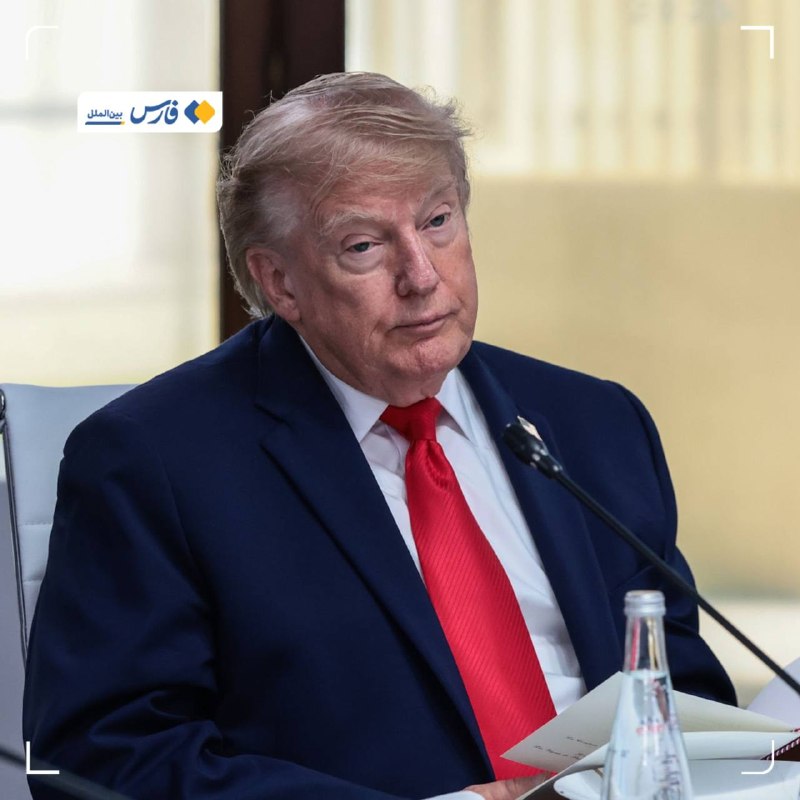
On 14 May 2026, the Ahmedabad Municipal Corporation cleared the renaming of a 1.5-kilometre stretch of CG Road as "Trump Avenue," complete with a six-foot bronze cutout of the US president installed at the intersection of the new name. The renaming was the most visible local signal of a broader recalibration between Washington and New Delhi. It also sat alongside two quieter moves, each more consequential than the street sign: a partial restart of Indian visitor visa processing at US consulates, and a steadily rising probability, on the prediction market Polymarket, attached to a Donald Trump visit to India in 2026, which crossed 19% in late June.
A ceremonial road and a market contract are, on the face of it, strange bedfellows. Read together, they describe a relationship being staged from the bottom up: municipal symbolism, consular logistics, and trader sentiment all moving in the same direction, while the federal centre in New Delhi has not yet committed to the visit that the market is pricing.
Local symbolism, federal silence
Ahmedabad's ruling Bharatiya Janata Party pushed the renaming through a standing committee vote, with party councillor Binita Ben Patel cited in Indian wire reporting as the primary mover. The cutout, modelled on a campaign-trail pose, was financed through a public-private collection that included a US-citizen donor. The municipal gesture was timed to coincide with the fifth anniversary of the Namaste Trump rally at Motera cricket stadium in February 2020, a visit that the BJP has consistently treated as a personal validation of Prime Minister Narendra Modi's rapport with the US president.
The federal response has been measured. New Delhi has not announced a state visit, and Prime Minister Modi's office has issued no statement treating the Polymarket probability as material. Indian wire coverage, principally through the Hindustan Times, the Indian Express and The Hindu, has run the renaming as a domestic political story, with limited editorial weight given to its diplomatic read-through.
The visa restart
The more concrete signal is bureaucratic. In late May 2026, the US Embassy in New Delhi and the consulates in Chennai, Hyderabad, Kolkata and Mumbai resumed a wider category of B-1/B-2 visitor visa appointments, after a multi-month slowdown that had pushed routine tourist and business interview wait times past a year. Indian applicants had been routed into a smaller set of appointment windows reserved for urgent travel, a constraint that tracked with a broader tightening of student and H-1B processing under the current US administration's screening regime.
For Indian travellers, the practical difference is large. Indian nationals formed the largest single share of US visa applicants in fiscal 2024, and consular backlogs have been a running sore in bilateral business travel. The reopening is not a policy reset, and Indian wire reporting has been careful to note that student visa frictions remain. But it is the kind of quiet administrative move that signals which relationships a foreign service is willing to invest in, and which it is willing to leave in queue.
What the market is reading
The Polymarket contract on a 2026 Trump visit to India crossed 19% in late June 2026, up from single digits in early spring. The contract settles on a visit by 31 December 2026, with the resolution criteria set by Polymarket's own judgement of what counts as a state visit. The price is not a forecast in any rigorous sense: prediction markets thin out on questions this far from a hard catalyst, and the spread between bid and ask is wide. But the directional move tracks the rest of the public record: the renamed avenue, the cutout, the restarted consular flow, and the steady stream of Gujarati-American business delegations photographed at Trump properties in New York and Florida.
Indian national wire coverage has not engaged with the Polymarket price directly. That is itself a tell. When Indian editors choose to ignore a market signal, it is usually because they are uncertain whether the price is reading real diplomatic signalling or merely reflecting the preferences of a small trader cohort with US political exposure.
The court behind the court
The most interesting question is what the symbolism does that policy cannot. Gujarat is the home state of Prime Minister Modi, and Ahmedabad in particular has been the staging ground for every major Modi–Trump public interaction since 2019. The "Howdy, Modi" and "Namaste, Trump" events at Motera stadium functioned as carefully produced set pieces for a US audience, with Indian diaspora turnout doing the work that state visits normally do in softer diplomatic registers.
A municipal street sign does not have the same protocol weight. But it tells traders, and the wider market, that the host country's federal authorities are willing to tolerate a sustained public campaign of presidential flattery in a politically significant state. The 19% Polymarket line is, on this reading, less a forecast of an event than a measure of the cost the US side has already paid to keep the channel open, and the value the Indian side has already extracted from the same channel in the absence of a visit.
What to watch before 31 December
The next hard date is the United Nations General Assembly in late September 2026, where the question of a Trump–Modi bilateral is most likely to be either scheduled or quietly shelved. The Ahmedabad cutout will stay. The visa queues will tell the rest of the story. And the Polymarket contract will price the probability on the same set of inputs that Indian editors have, so far, declined to name.
Desk note: Monexus reads the avenue, the visa restart, and the Polymarket line as a single story about managed courtship: local symbolism carrying weight that the federal centre in New Delhi has not yet chosen to acknowledge. We weight the South Asian wire reporting over the prediction-market snapshot, and treat the 19% as a friction signal, not a forecast.