England into the last 32 — but Tuchel's squad gaps are now the story
Goals from Kane and Bellingham carried England past Panama, but defensive injuries and a thin right-back pool leave Thomas Tuchel with a problem that no score-line can mask.
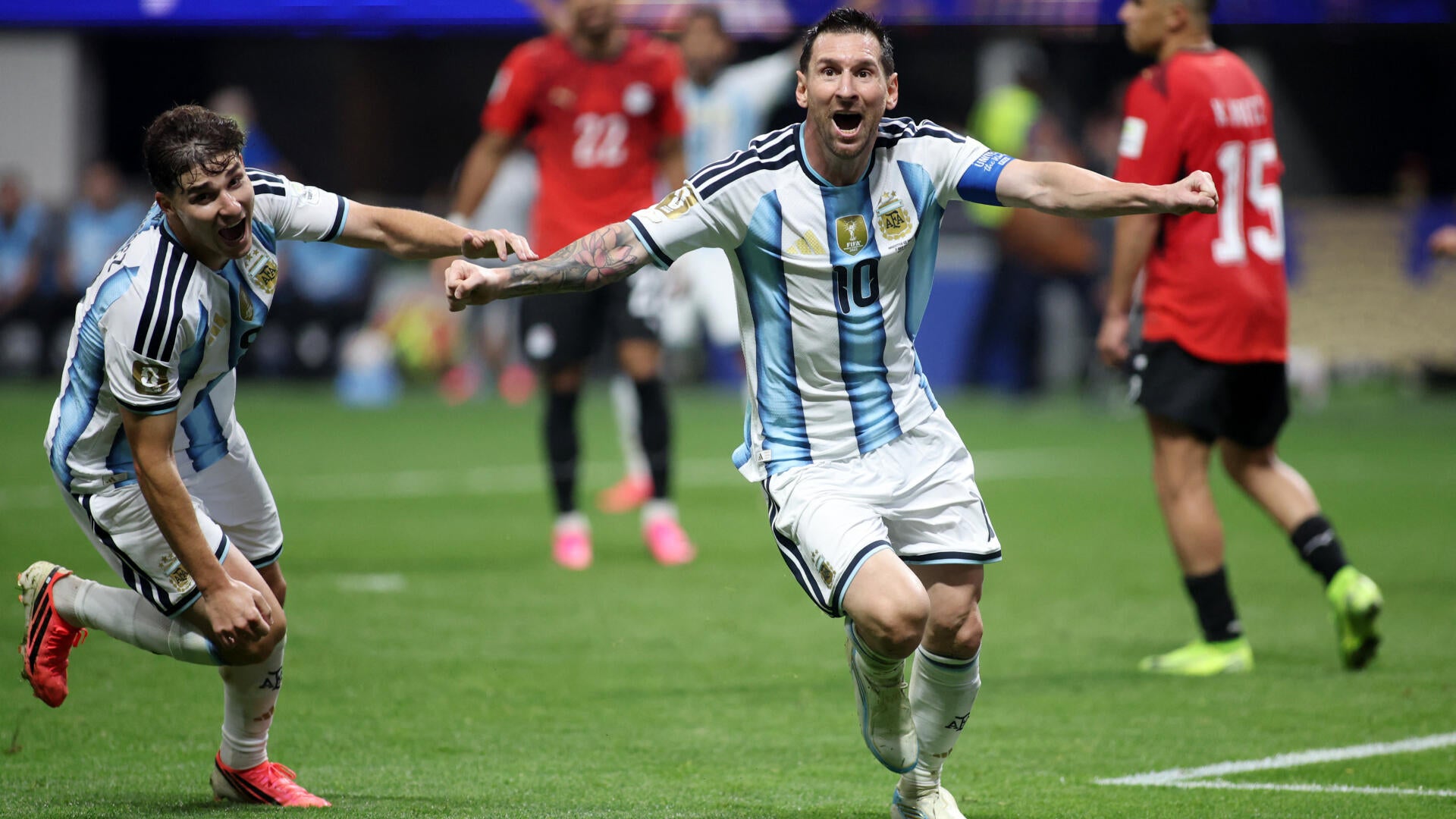
England will travel from their group-stage base to Atlanta for a last-32 tie against the Democratic Republic of the Congo with the scoreline on their side and a roster problem on Thomas Tuchel's. Goals from Harry Kane and Jude Bellingham did what the manager asked of them against Panama, but the German's post-match reading was colder than the result: right-backs falling like cards, central defence stretched, and flanks that produced the winner but cannot be relied on to do so again.
For all the noise around Tuchel's appointment and the cultural shock of a foreign head coach at a World Cup, the tactical questions are older and simpler than the storyline suggests. England have the spine to win a knockout tie. They do not, on this evidence, have the depth.
Two goals, two problems masked
The Kane–Bellingham axis delivered. That is the news, and it is not nothing: a side widely written off as functionally dependent on one No. 9 has now seen both its marquee names find the net at the tournament, in the same match, against an opponent that sat deep and dared England to break it down. According to The Guardian's 28 June 2026 match report, the pair's goals were the difference between a routine win and a nervy afternoon in the group closer.
Tuchel's other problems did not wait for the knockouts. Central defence is now a live concern after yet another starter was forced off, the latest in a sequence that began before kick-off in the United States and has continued through the group stage. Right-back, a position England have papered over with hybrid full-backs and inverted wingers for the better part of a decade, is once again a slot rather than a settled pick. The flanks, asked to provide width because the full-backs cannot, produced one goal and a handful of moments — and that is the level of return Tuchel will be planning around, not banking on.
Pickford's bet on the open game
Jordan Pickford's post-match comments carried an edge that England's keepers have not always been allowed to show. The Everton man has lived through shootouts, both as victor and as the man blamed when the run ends; he told reporters he would prefer this England side to win the World Cup without ever taking a penalty, according to The Guardian's 28 June 2026 piece on the goalkeeper's remarks. It is the sort of line that reads as confidence from a senior player and as pressure on the ten in front of him in roughly equal measure.
There is a tactical logic underneath the bravado. England under Tuchel have set up to attack rather than to contain, to control possession in the opponent's half rather than to absorb and counter. That posture produces chances and concedes them, which is precisely why a goalkeeper who has won shootouts is volunteering the view that he would rather not have to.
The right-back problem, named plainly
The structural frame here is unglamorous and overdue for honest treatment. England have entered three of the last four major tournaments with a first-choice right-back and left the other one with a makeshift. Trent Alexander-Arnold's reinvention as a hybrid midfielder, Reece James's fitness ledger, Kyle Walker's age curve, and the recurring injuries to Kieran Trippier before his retirement have together produced a queue in which no one has held the shirt for a full campaign in some time. Tuchel inherited the queue, not the problem.
That matters more against the Democratic Republic of the Congo than it did against Panama. Panama sat, conceded territory, and allowed England to overload the channels Bellingham and Kane operate in. The DRC, by contrast, arrive at the last-32 stage as one of the more physically imposing sides in the field, with wingers who can isolate a full-back and ask the question England have not answered. If Tuchel cannot name a right-back by kick-off, the answer will have to come from a winger tracking back, a centre-back stepping out, or a tactical compromise that gives up something in possession.
What changes by Atlanta
The honest reading is that this is the point in a tournament where squad gaps stop being storylines and start being fixtures. Kane and Bellingham can carry a side through one bad afternoon. They cannot carry it through three, and the bracket does not guarantee any of them will be gentle. Pickford's stated preference — no penalties, win in open play — is in effect a statement that England intend to be the aggressor in Atlanta. That posture is harder to sustain when the opponent does not sit back.
The counter-narrative is that tournament football rarely rewards the deepest squad; it rewards the team that finds a shape and stays in it. Tuchel has form for exactly that. Whether England's right-back queue resolves into a name rather than a rotation between now and the knockout stage is the variable that will decide whether the goals of Kane and Bellingham turn into a run, or end as the headline of a tournament England exited earlier than the talent on the pitch suggested they should.
This publication framed the result through Tuchel's selection maths rather than through the scoreline — the goals settled the match, but the squad composition will decide the next one.