Trump's Iran pitch and the Hormuz toll booth fantasy
The president is selling Iran as a tourism destination while Tehran floats a $40bn-a-year transit levy. The gap between the marketing and the math is the story.
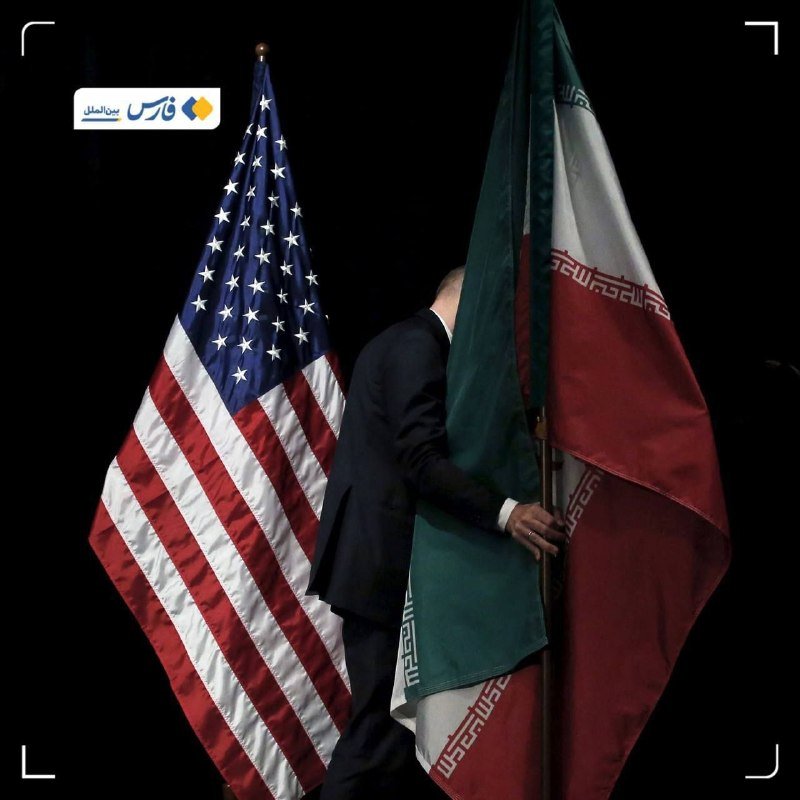
Donald Trump spent Thursday selling the American public on a country that his own administration is still sanctioning. At a White House appearance on 26 June 2026, the president described Iran as "a beautiful country" and urged Americans to visit — the latest in a string of remarks aimed at normalising a relationship that, on paper, Washington has spent four decades trying to isolate.
The salesmanship is not happening in a vacuum. Tehran is reportedly projecting roughly $40bn a year in revenue from charging transit fees on tanker traffic through the Strait of Hormuz — a claim that landed on prediction markets within hours and was promptly priced as a near-impossibility. Polymarket currently puts the odds of Trump green-letting such a toll regime at around 2%. The gap between the marketing of a friendly Iran and the mathematics of an Iranian-controlled chokepoint is where the actual story sits.
The opening and the market it ignores
Trump's "beautiful country" line is the rhetorical product of a transactional opening. The administration is hinting at a deal that would, in effect, swap sanctions relief for Iranian cooperation on the strait — the narrow waterway through which a fifth of seaborne oil passes. Tehran's reported $40bn-a-year projection is the price tag it has put on that cooperation. Put differently, Iran is offering the world a toll booth at the mouth of the Persian Gulf, and the United States is being asked to recognise it.
The pitch to American tourists is the soft-power side of the same transaction. If the deal goes through, Iran needs to be reframed as a destination rather than a pariah. Trump's language does that work for free. The problem is the same one that has dogged every previous opening since 1979: Iran's regime wants cash-flow predictability, and Washington's domestic politics wants deniability.
Why the prediction market is the honest read
A 2% probability on a Hormuz toll regime is not a fringe call. Prediction markets have a reasonable track record on binary policy questions precisely because they aggregate informed money. The implication is that traders — who have read the same cables, sanctions dockets and Israeli-Iranian back-channel reporting as everyone else — do not believe Washington will sign off on a formal Iranian right to charge transit fees.
The structural reason is straightforward. The US Navy's Fifth Fleet exists, in part, to keep the strait open on terms set by Washington and its Gulf allies. A $40bn-a-year Iranian revenue stream would, in effect, monetise a security guarantee the US has provided at taxpayer expense since the 1980s. No administration — this one least of all, given its reliance on a domestic "America First" frame — is going to sign that over to a country it has designated as a state sponsor of terrorism.
That leaves the obvious alternative: a side-deal. Iran gets sanctions relief and a quiet understanding on flagged tankers. The US gets a year or two of de-escalation and a pricing premium for being seen as the peacemaker. The strait stays nominally free, and Iran's $40bn figure remains what it is today — a negotiating number, not an income statement.
The counter-narrative Tehran is selling
Iran's case has internal logic that the Western wire routinely undersells. The strait is, in physical fact, Iran's coastline. The security architecture that keeps it open — Gulf monarchies' tankers, US carrier strike groups, Israeli submarine presence — is one in which Iran has no formal stake. Tehran's argument is that if the world wants to transit its waters safely, the country under whose seabed those waters sit is entitled to a rent. Saudi Arabia does this with Aramco. The US does it with the dollar. The complaint that Iran is "weaponising geography" lands differently in a multipolar frame.
That said, the multipolar framing cuts both ways. Iran's own major customers — China and India — have been quietly building pipeline and overland-routing alternatives precisely so they do not have to pay that rent. The $40bn projection is a ceiling, not a base case, and Tehran's leverage shrinks every time a new bypass gets financed.
What the gap actually means
The most honest reading of where things stand: the president is opening a market in the rhetorical sense, and Tehran is pricing a market in the financial sense, and the two are not yet on the same page. Trump's tourism pitch is the easy half. The hard half is whether a Republican base that ran on "maximum pressure" will accept sanctions relief that funnels, by Tehran's own estimate, tens of billions a year into the Islamic Republic.
The sources are also thin on the Israeli and Gulf reactions that would make or break any deal. Saudi Arabia and the UAE have been clear, in previous reporting cycles, that a US-Iran détente which leaves them out of the room is a strategic loss. Their silence in the current reporting cycle is itself a tell. The deal on the table is one Tehran is selling, Washington is marketing, and Riyadh and Abu Dhabi have not yet been asked to bless.
Desk note: Monexus framed the gap between the president's tourism rhetoric and Iran's transit-fee projection as the substantive story, rather than treating either as a stand-alone claim. The 2% Polymarket price is the cleanest external reality-check on offer.
Wire provenance
This editorial synthesis draws on the following public wire/social posts:
- https://t.me/englishabuali