Oman signals the Strait of Hormuz will not go back to normal
Oman is telling Western capitals, in plain relay-channel language, that the Strait of Hormuz's pre-crisis transit regime is gone for good. The Doha track and Araghchi's 30-day calendar are not parallel stories; they are the negotiation.
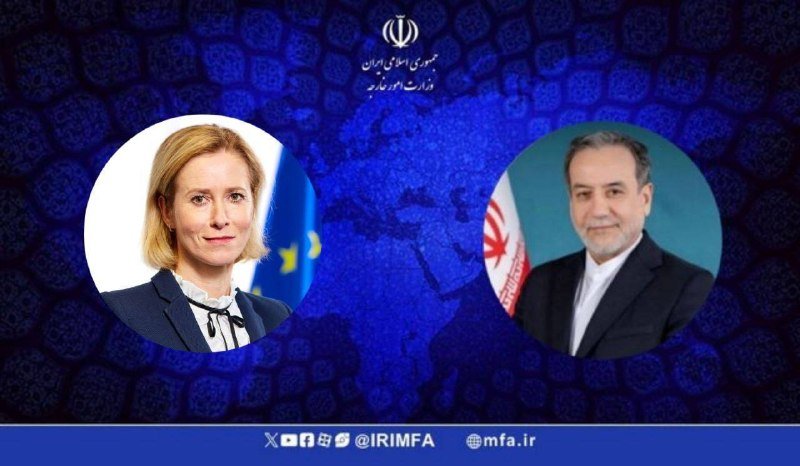
Oman's foreign ministry told diplomats in Muscat on 26 June that the Strait of Hormuz will not return to its pre-crisis operating posture, even if a ceasefire is reached, according to a Telegram-based read-out by Sprinter Press of Omani relay-channel messaging. The framing matters because Oman has spent two decades as the quiet broker between Washington and Tehran, and the message here is not a complaint about shipping. It is a notice that the transit regime is being repriced.
The Omani signalling lands in a week when the chokepoint's politics are visibly outrunning its shipping data. Iran's Foreign Minister Abbas Araghchi told the Iraqi presidency in Baghdad on 28 June that Tehran is pursuing the 2024 Islamabad security memorandum in good faith, but will "act decisively against America's and Israel's breach of promise" and is rapidly preparing for further US aggression, according to Iranian state outlets Tasnim and Fars. A separate read-out, attributed to Sprinter Press on the same day, quoted Araghchi as saying Iran alone will control the Strait of Hormuz over the next 30 days. Iran is not making a tactical threat. It is setting the calendar.
The counter-narrative, carried by Axios and relayed through Iranian state channels, is that Washington and Tehran have agreed to a stop on mutual attacks and will sit down in Doha next Tuesday to resolve the dispute. French wire reporting from the same day, picked up by France 24, framed it differently: Iran launched fresh drone and missile strikes on Bahrain and Kuwait on 28 June and threatened to halt talks altogether and close the strait if US airstrikes continue. Two pictures of the same 24 hours, both sourced, both official. The Omani message reads more like the resolution of that contradiction than a report from inside it.
Structurally, what is happening in the Gulf is the same thing that has already happened in the Black Sea, the Red Sea, and the Eastern Mediterranean. A transit corridor that the global economy had priced as a neutral public good is being converted, in real time, into a bilateral bargaining chip between a regional power and the US umbrella. The strait's roughly 20 percent of global oil flows and a comparable share of LNG do not move because they are cheap and quiet. They move because the United States Navy, since 1949, has underwritten the insurance contract. Oman is now telling brokers, in language calibrated for Western chancelleries, that the contract is being rewritten and the new terms will be visible at the next insurance renewal.
The regional geometry backs Muscat's read. Araghchi's Baghdad meeting doubled as a coordination call: Iran and Iraq agreed publicly to "strengthen common security and counter terrorism," and Araghchi leaned on the full implementation of the security memorandum, language designed to anchor Tehran to a Shia-axis security architecture that runs Tehran, Baghdad, Damascus, and Beirut. Russian milblogger commentary from the Rybar project, relayed via Solovyov Live, described the earlier US-Iran exchanges as proof that "peace in the Middle East turned out to be an illusion." That is a useful reminder that the Doha track is not the only game. Lebanon's speaker Nabih Berri, in remarks published 28 June, warned against internal strife while defending a Washington-brokered agreement, evidence that the file is being run on multiple boards at once.
The forward view is binary, and Oman has chosen which side of the binary it is on. Either the Doha talks produce a written transit-and-fee arrangement with Iran as a co-equal guarantor, in which case the strait does reopen to something like normal traffic and the new terms stick. Or the talks fail, US strikes continue, and Iran makes good on Araghchi's 30-day calendar, and the world's most important oil choke becomes a toll road run from Tehran. Watch the 30-day window. Watch the Doha invite list. Watch, above all, whether the Omani message moves from Sprinter Press's relay to a confirmed bilateral communiqué. The pre-crisis strait is already gone. The question now is who collects.
Sources
- [2026-06-28T22:23] X (@sprinterpress): Araghchi says Iran alone controls the Strait of Hormuz over the next 30 days. https://t.me/sprinterpress
- [2026-06-28T22:47] France 24: Iran attacks Bahrain and Kuwait, threatens to halt talks after fresh US strikes. https://t.me/s/france24_en
- [2026-06-28T21:24] Tasnim (English): Araghchi: We will act decisively against America and Israel's breach of promise. https://t.me/tasnimnews_en
- [2026-06-28T21:26] Fars News International: Araghchi in a meeting with the President of Iraq, emphasis on the Islamabad memorandum. https://t.me/tasnimnews_en
- [2026-06-28T20:54] Al-Alam (Farsi): Axios: US and Iran agreed to cessation of mutual attacks, plan Doha meeting. https://t.me/sprinterpress
- [2026-06-28T23:11] X (@s_m_marandi): Iran preparing for more US aggression; Tehran will not cede the Strait of Hormuz. https://t.me/s/sprinterpress
- [2026-06-28T20:55] Rybar / Solovyov Live: 28 June video summary, peace in the Middle East described as illusory. https://t.me/sprinterpress
- [2026-06-28T23:54] Telegram OSINT (OSINTdefender): Iranian team did not attend scheduled technical talks, citing US retaliatory strikes. https://t.me/s/sprinterpress
Desk note: Monexus has treated the Omani and Iranian messaging of late June as the opening moves of a coordinated repricing of the Strait of Hormuz, rather than as isolated diplomatic leaks. The wire record does not yet specify fee levels, collection mechanism, or legal basis, and the desk has flagged that gap rather than fill it in.