Iran's Strait of Hormuz toll play is the story the West refuses to tell straight
Tehran is not threatening to close the Strait of Hormuz. It is repricing it. The Doha talks starting Tuesday are the diplomatic surface of a fiscal problem the wire cycle keeps mistaking for a naval one.
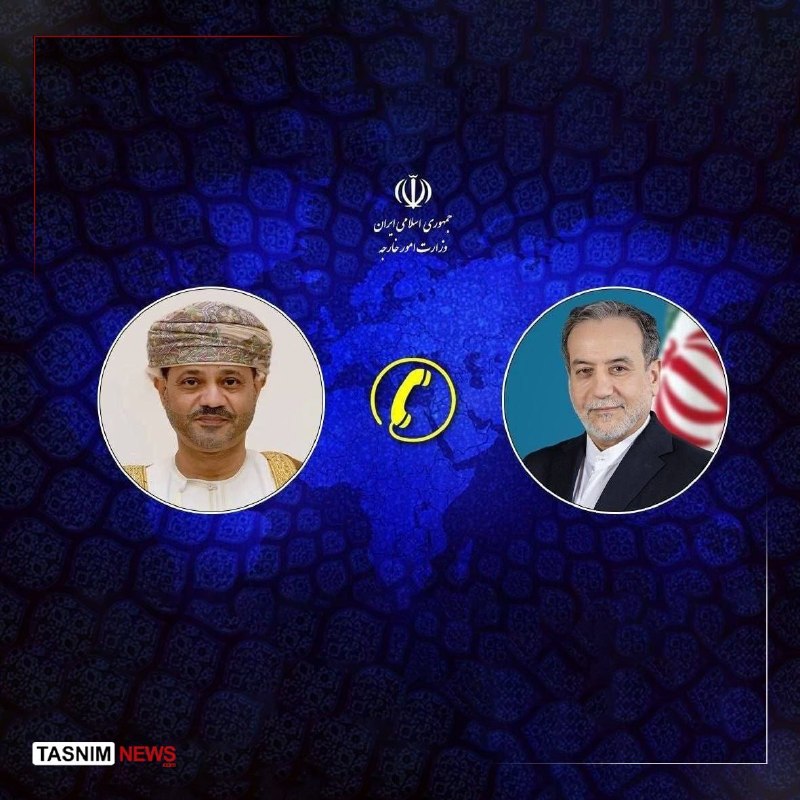
Iran's foreign minister told Baghdad on Sunday that Tehran is pursuing implementation of the Islamabad Memorandum in good faith, while warning that his country alone will control the Strait of Hormuz over the next thirty days. The claim, attributed to Abbas Araghchi in a meeting with Iraqi President Abdul Latif Rashid, frames a shipping lane through which roughly a fifth of the world's oil normally passes as a national lever rather than a shared waterway. Whether Araghchi is bluffing, bargaining, or briefing is the open question; that the figure he is bargaining with is the price of admission to the global economy is not.
The wire cycle since the weekend has led with insurance premia and naval posturing. Those are real. A destroyed launcher of Iran's newest Talaiyeh anti-ship cruise missile system, struck in what looks like a precision-guided munition hit, sits alongside reports of Iranian drone and missile attacks on Bahrain and Kuwait and Israeli shelling of a village in southern Syria near the Golan Heights. The kinetic story is loud and familiar. It also misses the structural one.
The structural story is revenue. Iranian traffic data published this week shows that the volume of ships passing through the Strait of Hormuz in June 2026 remains very different from the year-prior baseline, a falloff that has nothing to do with naval combat and everything to do with war-risk pricing. The arithmetic is straightforward. Iran exports roughly 1.6 million barrels a day through the strait by sea; a non-trivial share of national revenue. A credible closure, or even a credible threat of one, does not need to actually stop a tanker to extract concessions. It only needs underwriters to reprice the route. When the cost of transiting Hormuz exceeds the cost of rerouting via the Red Sea, the market has already moved, and the toll that the strait's geography allows Tehran to charge has already begun.
The Doha track that Axios reported on Sunday, with Washington and Tehran due to meet in the Qatari capital on Tuesday, is the diplomatic expression of that arithmetic. A senior American official told the outlet that the two sides have agreed to halt attacks on each other and that ships can move freely during the technical negotiations. The Iranian foreign minister's public posture is harder. Araghchi said Iran is preparing for further US aggression and will not cede the strait. That tension, between a private ceasefire and a public toll, is the actual negotiation. Tehran is selling Washington a thirty-day window of unpriced transit, with the implied renewal rate set in Tehran.
The Western coverage frame treats Hormuz as a maritime-security problem. It is also a fiscal problem. Iran has limited conventional reach, but it sits on a chokepoint that the dollar-denominated oil market cannot route around cheaply. A sustained premium on Hormuz transit flows directly into the Treasury of the Islamic Republic, and indirectly into the price Americans pay at the pump and the bond spreads Gulf monarchies pay on their next issuance. Tehran does not need to win a naval war to influence the 2026 oil futures curve. It only needs the world to believe the toll booth is open.
The Bahrain and Kuwait strikes complicate that picture but do not change it. If the goal were to demonstrate capability, hitting two US-aligned Gulf states is a costly move, because it raises the political cost of any deal Washington might offer, and it raises the underwriter's view of residual risk. If the goal were to demonstrate that a deal is not coming, the strikes serve a domestic audience that the foreign ministry's softer Doha language cannot reach. Either reading is consistent with the sources. The structural point is that the strait's value as a bargaining chip depends on it being credibly unsafe, and the Iranian public-record behaviour since Friday is consistent with keeping that option live.
What to watch on Tuesday in Doha is not who blinks. It is the mechanism. A deal that explicitly prices Hormuz transit, for example a per-barrel transit fee credited to a UN-managed account, would convert the strait from a binary shut-or-open switch into a permanent toll infrastructure. That is a category change in how the global oil market is governed, and it is a change that benefits whichever actor already sits on the chokepoint. A deal that simply restores the pre-crisis transit regime in exchange for sanctions relief hands Tehran the option to reprice the same chokepoint in the next crisis. The thirty-day clock Araghchi named in Baghdad is, in that sense, the lease term.