South Africa knock South Korea out as Mexico close group stage with a perfect record
Bafana Bafana end a generation-long group-stage drought as Son Heung-min's absence defines South Korea's exit and El Tri's perfect record sets up a seeded knockout draw.
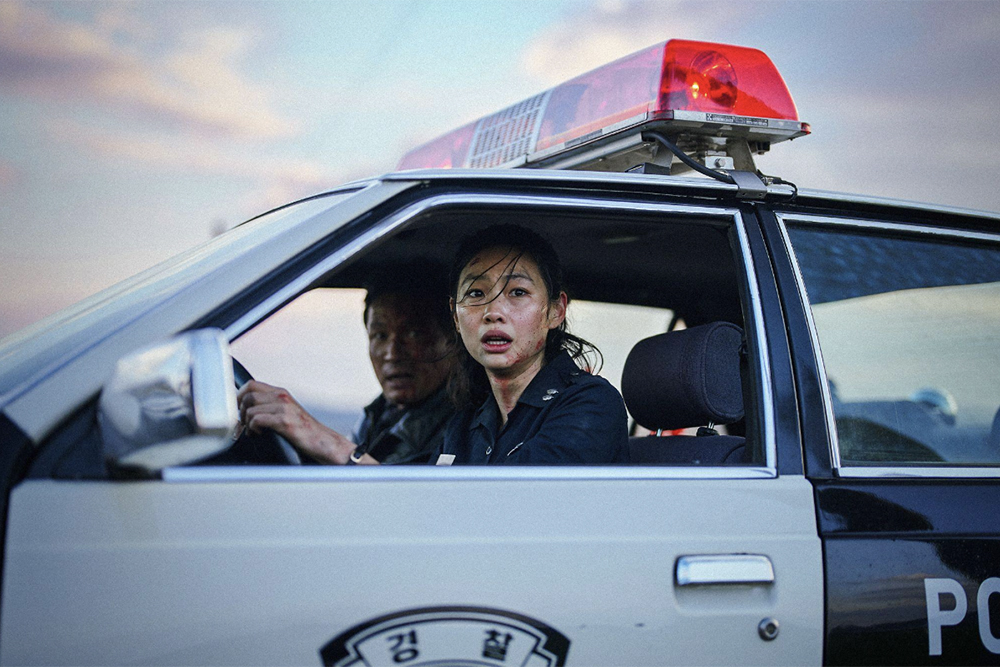
South Korea are going home, and the decision to start without Son Heung-min is the line that will be replayed for the next cycle. By the close of Group A on Thursday, Bafana Bafana had done what no senior South African side had done in a generation, while El Tri marched through the section without dropping a point. The headline from the final matchday is continental, not East Asian: a place in the knockout rounds taken from a 2002 semi-finalist, sealed with the kind of tactical clarity Hugo Broos has spent the last three years building toward.
The shape of Group A closed the way the tournament's wider story has been closing: surprises rewarded, reputations punctured, and the usual hierarchy bending at the knees. South Africa's path was not clean. They opened the section with a stumble against Mexico and produced at least one defensive error that, on another afternoon, would have cost them everything. Instead, the qualifying maths caught up with South Korea, who entered the final matchday needing a result and exited without one. Mexico, having already done the hard work, played the closing fixture as a procession.
The benching that defined a campaign
Son Heung-min's absence from the starting XI read at the time like squad management and finished the night looking like a referendum. The captain, the record-chasing forward, the country's most decorated export, sat the group-stage finale as South Korea attempted to salvage a draw they needed to go through. The plan did not survive contact. The forward line that took the field in his place produced too little against a South African back line that had spent the entire tournament reorganising itself out of trouble. By full time, the question was no longer whether the substitution would have changed the result. It was whether a federation that had built its qualifying identity around a single talisman could afford, even for one match, the optics of leaving him on the bench when the stakes were highest.
That framing matters because South Korea's tournament should not be reduced to one decision. They controlled stretches against Mexico, they conceded in sequences that owed more to defensive shape than to individual error, and they arrived in the final matchday still alive. The benching was the moment the cycle tipped from uncertain to over. Coaches who manage ageing stars through a congested calendar are familiar with the trade-off; the group stage of a World Cup is not the place to rehearse it.
Broos and the continental milestone
The South African story is the one that will outlast the others. Bafana Bafana had not progressed past the group stage of a senior men's World Cup since the host run of 2002, and the drought had calcified into a national talking point. A Belgian coach with two spells in African football and a reputation for building defensive blocks did not arrive as a saviour. He arrived with a brief: make the team harder to score against, then let the front players work.
The qualification was, by his own subsequent telling, rescued from the kind of blunder that threatened to undo it. He acknowledged as much when the job was done: the early concession against Mexico, the loose moments at the back, the matches that could have slipped. None of them did. A date with Canada now looms, the kind of fixture that turns a continental milestone into a tournament storyline. The phrase used in the South African press on Thursday night, that Broos had "broken new ground", is not the language of consolation. It is the language of a federation that has spent two decades explaining why it could not.
Mexico's perfect record, and what it hides
El Tri finished the group with nine points, a full sweep, and the kind of clean optical read that seeding meetings reward. The first XI rotated, the system stayed the same, and the goals came from a spread of contributors rather than a single finisher. That is the version of the group stage Mexico wanted to present: deep, controllable, and light enough on minutes that the first-choice spine arrives at the knockout rounds rested.
The harder question is what the record actually tells us. Mexico did not face a team ranked inside the world's top twenty in the section. They beat the side that ended up finishing third and the side that ended up finishing fourth, and they did it with the authority expected of a host. The test of a perfect group-stage record is what happens when it meets a team with a centre-forward who has scored in three consecutive matches and a defence that has not conceded. That test does not arrive in the group.
The wider reading
The 2026 group stage has done something unusual. The traditional powers have wobbled at the edges. Spain watched Uruguay crash out in Akron after Fernando Muslera was withdrawn at the interval. Egypt reached the knockout rounds and then watched Mohamed Salah head for scans. Iran finished a 1-1 draw in Seattle hitting the crossbar and arguing with the officials, and left their place in the last thirty-two to be decided by the mathematics of third-placed teams. Cape Verde, an archipelago of just over half a million people, are into the round of thirty-two on their tournament debut. Japan and Morocco have drawn the kind of last-sixteen ties that the wider football economy had hoped to avoid.
None of those storylines cancel out what happened in Group A on Thursday. South Korea went out, South Africa went through, and Mexico stayed perfect. Each of those sentences is doing different work. The first is a cycle ending. The second is a drought ending. The third is a seeding story, not yet a coronation.