Nuggets take Trevon Brazile at 35 as second round rolls on
Denver grabbed Trevon Brazile with the 35th pick as the second round of the 2026 NBA Draft produced a steady stream of names, including Meleek Thomas to Cleveland and Richie Saunders to Memphis.
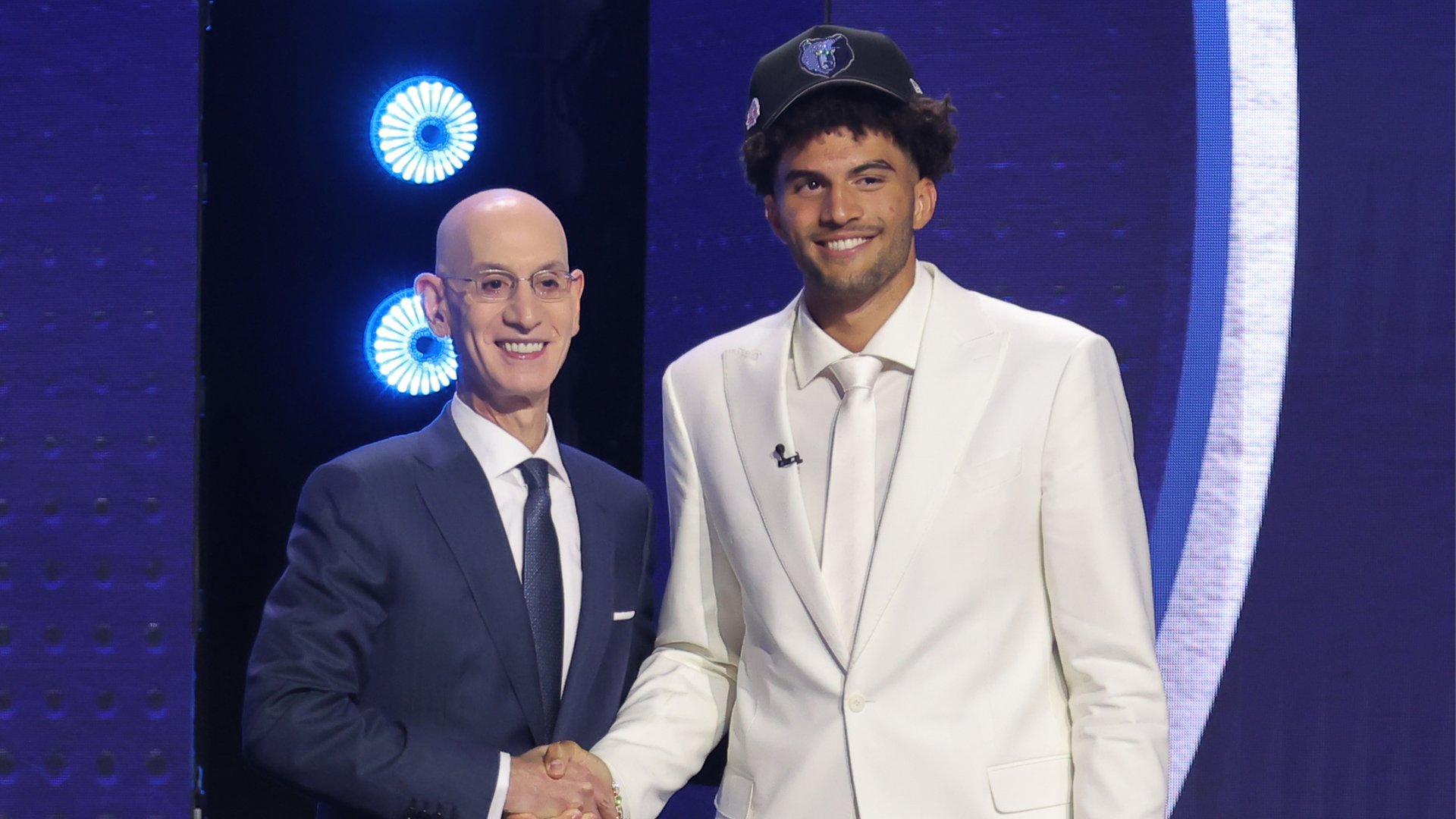
The Denver Nuggets selected Trevon Brazile with the 35th overall pick in the 2026 NBA Draft on the night of 25 June 2026, the second round's middle band playing out across Barclays Center with the broadcast still live on ESPN. It was a small move by Denver's usual standards — late first-rounders, not lottery talent — but in a draft defined less by franchise-altering stars than by depth, the kind of high-ceiling swing Denver has long preferred became the story of the next twelve minutes.
Brazile lands in a Denver front office that has spent the better part of three seasons proving it can convert marginal roster spots into rotation contributors. The pick, made at 00:48 UTC on 25 June, slots in just behind Cleveland's selection of Meleek Thomas at 34 and Memphis's earlier grab of Richie Saunders at 32 — three names that say more about how the modern second round actually functions than any of the night-time television selections did an hour earlier.
What the second round is for, in 2026
The conventional reading is that picks 31 through 60 are lottery tickets: stash a developmental player overseas, take a flyer on a long-armed wing, sign a four-year college senior who fits a niche. That framing still holds, but the calculus has tightened. The new collective bargaining agreement has compressed rookie-scale economics, the two-way roster has expanded, and teams that used to bury second-rounders on the bench now rotate them into regular minutes. The result is that a pick like Brazile's is no longer a courtesy — it is a working roster decision.
Denver's track record supports that read. The franchise's recent late-round hits have come from players with positional length and a single translatable skill — the kind of profile Brazile carries as a forward with shot-blocking pedigree. The Nuggets do not need Brazile to become a starter; they need him to become a third big who can survive playoff minutes. That is a real job, with a real salary attached, and the team is now on the clock to fill it.
Counter-read: don't confuse motion with progress
The counter-narrative is less flattering. The second round is where teams go to feel productive on a draft night that, increasingly, is decided by the top ten picks. Front offices understand the diminishing returns. Marketing departments understand the optics. The result is a televised rhythm of names that can read, to a neutral viewer, like administrative bookkeeping dressed up as event television.
There is something to that. A team picking at 35 has historically produced a rotation player roughly one year in four; the rest wash out within two seasons. The Cleveland and Memphis selections are subject to the same base rate. Yet the new CBA has nudged the math in the direction of the team. Two-way slots now convert into standard contracts more easily, and the league's developmental infrastructure — G League refinements, increased international scouting budgets — has marginally improved the survival rate of late picks. Whether that improvement is large enough to justify the on-air production value is a separate, more cynical question.
The structural pattern: front-office patience as a market edge
The pattern across the league is that second-round value accrues to franchises with stable front offices and patient ownership. Denver qualifies on both counts. Memphis, despite recent upheaval, has invested heavily in scouting infrastructure that the Saunders pick reflects. Cleveland's selection of Thomas at 34 fits a longer Cavaliers arc of prioritising young wings around a veteran core.
What the three picks have in common is institutional patience — the willingness to draft for a roster slot that may not open for eighteen months rather than for one that exists on draft night. In a league where contender windows close quickly and rebuilding timelines have shortened, that kind of patience is itself becoming a market edge. Teams that historically churned through late picks now treat them as optionality: cheap, reversible, and occasionally decisive.
Stakes, and what to watch next
For Brazile specifically, the immediate stakes are mundane but real: summer league minutes, a training-camp contract, and a fight for the back end of a deep Denver rotation. For Denver, the question is whether the front office's hit rate on these picks continues to outpace the league's base rate at a moment when the league is getting better at developing exactly this tier of player. The next two summers will tell — second-round picks from 2024 and 2025 will be entering their second and third seasons, and the comparative data will start to settle.
There are things this draft's middle band will not resolve tonight. The sources do not specify the terms of any pre-draft agreements, the medicals on any of the three players, or the immediate trade activity that typically follows a second-round run. Brazile, Thomas, and Saunders are, for the moment, names on a spreadsheet attached to a press release; whether any of them become names on a box score is a question the next two NBA seasons will have to answer.
This piece was reported from the live draft wire. Monexus framed the second round as a working roster decision rather than a ceremonial coda — the league's economics now reward that reading.
Wire provenance
This editorial synthesis draws on the following public wire/social posts:
- https://t.me/NBALive
- https://t.me/NBALive
- https://t.me/NBALive