Ronaldo's sixth World Cup goal puts a 41-year-old question back on the table
Cristiano Ronaldo's sixth World Cup goal lands inside the highest-scoring tournament since 1970, a record book being rewritten in real time by a format designed to maximise goals. The 48-team World Cup is producing records at the same pace it is producing fixtures, and the two are not unrelated.
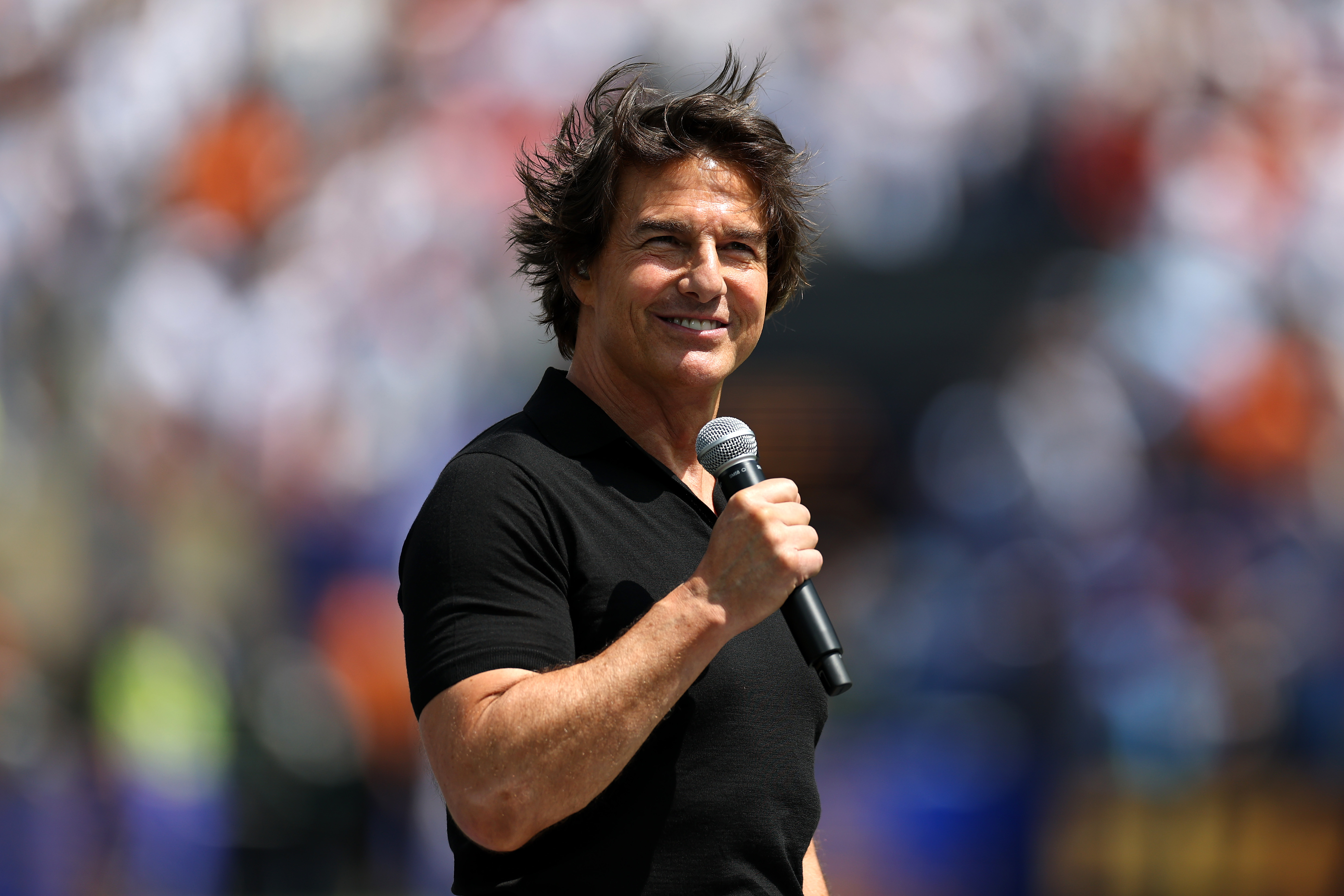
Cristiano Ronaldo's sixth World Cup goal, scored in a group-stage fixture earlier this week, has not merely extended a personal record. It has reopened a question the tournament's expanded format makes newly urgent: in a 48-team World Cup that has produced 177 goals across 60 games and the highest scoring average since 1970, what does a record actually measure?
The Portuguese captain's latest strike arrived in a tournament already rewriting the arithmetic of the competition. FIFA's own channels have tracked an avalanche of attacking output: Senegal became the first African side to score five goals in a single World Cup match in their 5-0 dismantling of 10-man Iraq at Toronto Stadium on 26 June, with substitute Pape Gueye bagging two long-range efforts after Iliman Ndiaye and Ismaila Sarr each posted a goal and an assist. France's Ousmane Dembélé took a hat-trick in a 4-1 win over Norway at Boston Stadium, sealing the third with a 17-pass move that touched every starter. Even the goalkeepers are noticing the new Trionda ball, as former England No. 1 Joe Hart explained in a BBC Sport Q&A: shots are behaving differently, and the men between the posts are struggling to read them.
The context is the headline. An average of 2.94 goals per game is the highest at a World Cup since Mexico 1970, and the structural reasons are not mysterious. More teams means more mismatches, and the soft underbelly of the group stage has been visible throughout. Algeria's meeting with Austria on 26 June, a Group J fixture, was framed by the Guardian as a grudge match stretching back to the "shame of Gijón" in 1982, a reminder that the format has long produced the conditions for dead rubbers and contrived results. The Guardian's live blog for Uruguay v Spain in the same group noted plainly that this World Cup "has suffered a little from its expanded format, there have been few heavyweight clashes" in the opening phase. Lionel Messi, sitting on five goals already, was named on the bench for Argentina's dead-rubber group finale against Jordan because his side had already clinched first in Group J.
The goal rush is therefore not an accident of style. It is the product of a format designed to maximise broadcast inventory and a Saudi-funded global contract that has aligned the commercial incentives of the major European leagues with FIFA's expansion agenda. A 48-team field needs a 48-team sales pitch, and a 2.94 goals-per-game average is a more saleable product than the 2.27 average seen in Qatar four years ago. The Player of the Match awards write themselves when Senegal and Iraq can be paired in Group I. The opt-outs from the broadcast booth in New York, where travelling England fans opted to watch the US Darts Masters instead of the group games, hint at the diminishing returns of a competition that has stretched its product thinner than its marquee talent.
Against that backdrop, Ronaldo's sixth World Cup goal looks less like a triumph of longevity and more like a stat waiting to be padded. He has now scored across five separate World Cups, a feat that places him in a category of one among outfield players, but the company he keeps in the record books is itself a marker of the era. The tournament Hugo Broos, at 74 years and 75 days, became the oldest head coach to win a match in World Cup history, guiding South Africa into the knockout stages for the first time. Ivan Toney, told by the Athletic he is "on the same path now" with Thomas Tuchel after two fine seasons at Al-Ahli, waits in reserve. Novak Djokovic, the same week, arrived at Wimbledon for a 21st time, still chasing a 25th grand slam at 39. The premium in 2026 is on durability, on outlasting the format, on showing up for the cameras at an age when most professionals have retreated to the broadcast box.
The structural frame is straightforward. FIFA has built a tournament whose commercial logic depends on a widening of the field, and the record books are adjusting to match. Senegal's five-goal outburst, Dembélé's move-of-the-tournament candidate, and Ronaldo's continued accumulation all sit inside the same market logic: more games, more goals, more records, more inventory. The question worth asking is not whether the records are genuine, they obviously are, but whether the conditions that produce them are the conditions that once made the records matter. A 48-team World Cup is a different competition from a 32-team one, in the same way that a 24-team European Championship is a different event from the 16-team version that preceded it. The records are comparable on paper. The football is not.
What to watch next: the knockout bracket, where the soft groups give way to single-elimination ties and the goals-per-game average is likely to fall. The first round of the 32-team stage will tell us whether the tournament's commercial scaffolding has built a competitive structure beneath it, or whether the next two weeks will simply extend the scoring carnival. Either way, Ronaldo's sixth will not be the last record broken in North America this summer. The format has made sure of that.
Sources
- FIFA Telegram, 26 June 2026: "Guiding South Africa to the FIFAWorldCup knockout stages for the first time ever…" https://t.me/FIFAcom/
- FIFA Telegram, 26 June 2026: "Senegal become the first African side to score five goals in a #FIFAWorldCup game" https://t.me/FIFAcom/
- The Athletic, 26 June 2026: "Toney on good terms with Tuchel and awaiting his chance" https://t.me/TheAthletic/
- BBC Sport, 26 June 2026: "Dembele scores 'magic' goal for France" https://www.bbc.com/sport
- BBC Sport, 26 June 2026: "Hart explains how goalkeepers are struggling with World Cup ball" https://www.bbc.com/sport
- BBC Sport, 26 June 2026: "Senegal thrash 10-man Iraq to boost hopes of reaching last 32" https://www.bbc.com/sport
- The Guardian, 26 June 2026: "World Cup 2026: why have there been so many goals?" https://www.theguardian.com
- The Guardian, 26 June 2026: "Uruguay v Spain: World Cup 2026 – live" https://www.theguardian.com
- The Guardian, 26 June 2026: "England enjoy New York minute but fans check out to watch darts instead" https://www.theguardian.com
- The Guardian, 26 June 2026: "Algeria eye revenge in first match against Austria since 'shame of Gijón'" https://www.theguardian.com
- CBS Sports, 26 June 2026: "Lionel Messi will start World Cup match on bench for Argentina against Jordan" https://www.cbssports.com
Desk note: Where the wire copy led with Ronaldo's milestone as a feel-good footnote, Monexus framed the record against the structural conditions that produced it: the 48-team format, the broadcast-driven goal rush, and the soft group-stage path. The lede is the question, not the celebration.