The Strait of Hormuz, and the question of who sets the price of passage
As Geneva prepares for a Friday US-Iran signing, a stricken cargo ship, IRGC routing orders and Rubio's 'not at any price' warning turn the Strait of Hormuz into the real negotiating table.
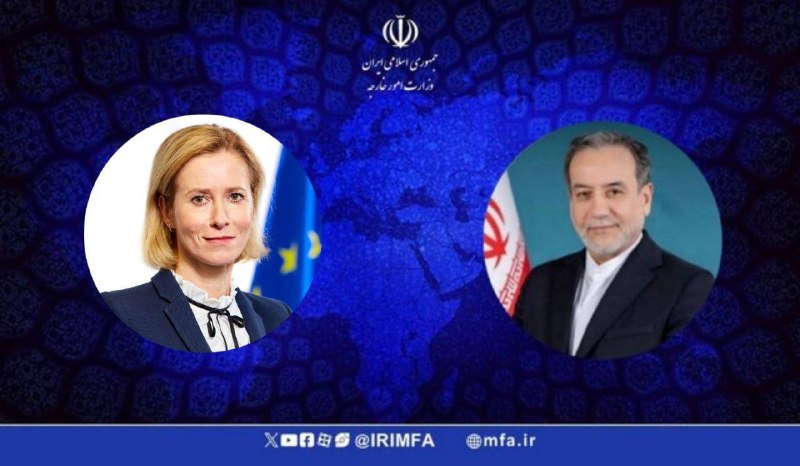
On 25 June 2026, with a Friday signing ceremony in Geneva already on the calendar, the United Nations quietly paused its ship-evacuation programme through the Strait of Hormuz. A projectile had struck a cargo vessel earlier in the day. The International Maritime Organization said the plan would stay on hold until safety guarantees were confirmed. Hours later, Bloomberg ship-tracking data showed at least three oil tankers and a fourth cargo ship reversing course off the Omani coast. The accord that was supposed to lower the temperature was negotiating with a strait that refused to settle.
Marco Rubio's warning, delivered the same Thursday, gives the picture its real shape. The US Secretary of State said Washington would not accept any deal that allowed Tehran to impose fees on shipping through Hormuz, predicting that such a regime would cause "total chaos." Read as a routine restatement of maritime law, the line is unremarkable. Read as a marker in a longer contest over the political economy of the strait, it is something else entirely. The question on the table in Geneva is not merely who fires the rockets. It is who sets the price of passage.
The strait that carries the bill
The Strait of Hormuz is the most consequential pinch of water in global energy. A large share of seaborne crude transits its channel every day, bound for refiners from Rotterdam to Singapore. Because the route is narrow and the alternative pipelines that bypass it are limited, even a hint of disruption moves freight rates, insurance premiums and crude benchmarks within hours. The UN evacuation pause is therefore not a logistical footnote. It is a price signal, broadcast from the deck of a single stricken cargo ship to every charterer recalculating exposure.
The Iranian side has made the terms of the new order explicit. The IRGC has told vessels to use Iran-approved routes through the strait, a directive issued as a US-Iran peace accord was being prepared for Friday's signing in Geneva. The message is procedural, almost bureaucratic. Routes are being approved. Fees, presumably, will follow. Rubio's "not at any price" formulation is the American answer: a deal is welcome; a transit tax extracted by a single state at the throat of the global oil trade is not.
Two visions, one chokepoint
The dispute is not really about dollars per barrel. It is about jurisdiction. Under one reading of the negotiations, Iran is being invited back into the managed order with the customary perks: sanctions relief, frozen assets unlocked, diplomatic recognition, a domestic political win. Under that reading, the strait is just a sea lane, governed by long-standing norms of innocent passage. Under the other reading, the strait is a sovereign asset, and the passage through it is a service. The IRGC's routing instruction is the operational form of that second reading.
Rubio's "total chaos" warning names what the second reading would produce, in his view: a precedent in which a single coastal state, however aggrieved, however legitimised by a deal, can monetise the throat of a global commons. The shipping industry, which prices risk by the hour, hears that warning and acts on it before any treaty ink dries. That is what the three turnarounds on the Omani parallel route already show.
Why the Iran desk reads it this way
There is a temptation, in the wire coverage, to treat Rubio's line as diplomatic posturing and the IRGC's routing order as enforcement theatre. Both framings are tidy, and both miss the structural point. The Geneva process is being asked to do two things at once: end a cycle of escalation around Iran's nuclear programme and stabilise the energy market on which every importing economy depends. If the settlement that emerges treats Hormuz as a sovereign tollbooth, the market will price that treatment, and the political reaction in consuming capitals will not be confined to Washington. If it treats the strait as a commons, Iran will be asked to surrender a leverage point that, in the absence of comparable concessions, it has no incentive to give up.
This is the deeper reason the UN evacuation pause matters. The IMO is the closest thing the maritime world has to a neutral referee. Its decision to suspend a programme until safety is confirmed is the referee stepping back from the field. When the referee steps back, the players begin to negotiate the rules themselves, and the rules they negotiate will outlive Friday's ceremony in Geneva.
Stakes beyond the signing
A peace accord in Geneva that leaves the question of transit fees unresolved would be, in market terms, half a deal. A peace accord that resolves it in Iran's favour would be, in Rubio's terms, a kind of surrender. The cargo ship hit by an unidentified projectile on Thursday, the IRGC's routing order, the turnarounds off Oman, and the UN's pause are not separate incidents. They are a sequence, and the sequence is running ahead of the text the diplomats are still drafting.
The reading Monexus offers is the one the wire packages tend to file as atmospherics: the underlying contest is not over the war that produced the accord, but over the price of the sea lane that the accord will govern. That price will be set, in practice, by whoever moves first in the days after Geneva. Friday's ceremony will tell the world what was agreed. The strait will tell the world what was actually decided.
Sources
- France 24, "US seeks Iran deal, but 'not at any price,' Rubio says", 25 June 2026. https://t.me/france24_en
- France 24 (English), "US seeks Iran deal, but 'not at any price,' Rubio says", 25 June 2026. https://www.france24.com
- World News wire, "UN pauses ship evacuations through strait of Hormuz after vessel attack", 25 June 2026. https://t.me/worldnews
- Sprinter Press, citing Bloomberg ship-tracking data, "At least three vessels, including two oil tankers, turned back while attempting to pass through the Strait of Hormuz", 25 June 2026. https://x.com/sprinterpress
- Middle East Eye, "IRGC warns ships to use Iran-approved routes through Strait of Hormuz", 25 June 2026. https://x.com/middleeasteye
- Middle East Eye, "Cargo ship hit by unidentified projectile in Strait of Hormuz", 25 June 2026. https://x.com/middleeasteye
Desk note: Where wire coverage framed Rubio's statement as a routine assertion of maritime law, this publication reads it as a marker in a longer contest over the political economy of the strait, and over who, in practice, sets the price of passage.