Halle's grass weighs Alexander Zverev's home hopes against Taylor Fritz's surge
As the Halle Open gets underway, home favourite Alexander Zverev arrives with German expectations on his shoulders while Taylor Fritz brings the surface-specific tools that have powered his recent surge. The draw sets up a direct read on which player owns the grass this week.
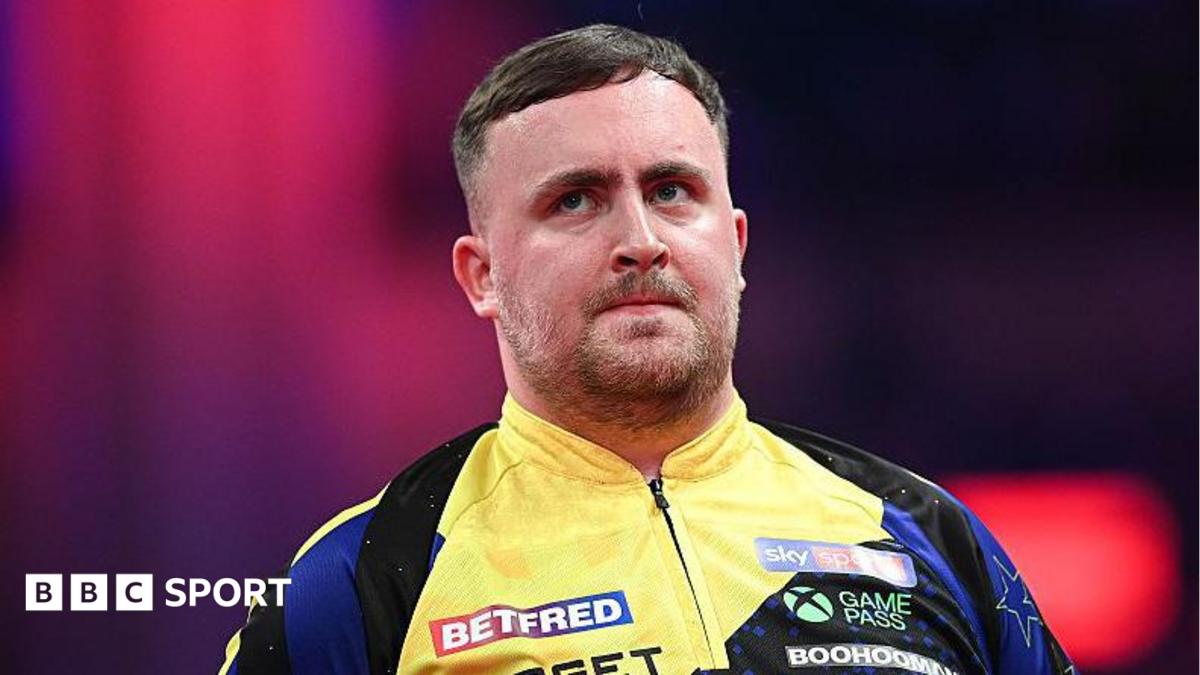
The grass at the Halle Open has historically been unkind to the men who play most of their tennis on clay and hard courts, and the 2026 draw sets up a particularly pointed collision: home favourite Alexander Zverev begins his week in front of a German crowd that treats him like a national project, while across the net sits Taylor Fritz, the highest-ranked American in the men's game and a player whose rise has rewritten the assumptions about who can win on the slick stuff.
For Zverev, Halle has long been a paradox. His ranking says he should be a contender anywhere; his trophy cabinet says otherwise. The 2025 Halle Open page on the central tennis record lists his deep run to the final, where his run ended against a more experienced grass-court operator. A year later, on German grass, with the home support behind every ball he tosses, the question is whether a player of his stature can convert proximity into a title. Fritz's profile complicates the arithmetic. The American left-hander has, in recent seasons, gone from "dangerous floater" to certified top-five presence, and his career statistics show a growing comfort on faster surfaces, not the slow escalation of a player still learning what grass asks of him.
A German returns to the scene of last year's lesson
Halle's grass rewards players who hit through the ball early and serve with margin. Zverev, by his own structural reality, is more of a constructor: heavy topspin, exaggerated height on the bounce, long rallies from behind the baseline. The 2026 Halle Open entry in the record of the event notes that the tournament's draw includes the German as a leading name. What the same record does not say, because it is not the kind of thing a draw explains, is whether this version of Zverev has rewritten his grass-court approach. The launch numbers, the energy off the contact point, the willingness to come forward. That work happens in practice courts and in pre-tournament pressers; it surfaces in Halle in June.
The home-hope framing is not invented. Zverev is the player German tennis has been waiting to see lift a major trophy at home since the era that preceded the current generation. The crowd at Halle's centre court fills early when he is on the schedule. Whether that crowd becomes an ally or a weight is a question that recurs for every home favourite, and the answer has historically divided itself by temperamental type rather than by nationality.
Fritz's surge, in the language of the record book
Fritz's surge is not narrative; it is in the columns. His career statistics log a steady climb in win totals at Masters and ATP 500 events, with titles accumulated at a pace that suggests a player no longer content to be the toughest out in the draw. The American's game is built for grass in a way that Zverev's is not: the left-handed serve that pulls opponents off the court, the flat forehand that stays low over the net, the willingness to take the ball early to deny opponents the rising bounce they want. None of those characteristics require a particular tournament week. They require an opponent who plays into the same patterns.
The tactical argument, then, is whether Zverev can slow the match down enough to take the ball out of Fritz's preferred strike zones. The serve-plus-one patterns that work on clay, where the third or fourth ball of a rally decides the point, look different on grass, where the second ball often decides. If Zverev's return game travels with him across the surface switch, his ceiling in the draw rises. If it does not, the German has a problem deeper than crowd support can solve.
What the field around them does to the math
A tournament does not resolve inside a single matchup. The 2026 Halle Open draw also carries the usual freight of grass-court specialists and incumbent champions who make the bracket a minefield for anyone who has not yet found their rhythm. The tournament's own record tracks a sequence of champions whose names read as a syllabus on this surface, and any early-round upset elsewhere in the draw could shift who Zverev and Fritz are asked to beat before a semifinal, regardless of how their direct meeting goes. The structural problem for Zverev is that grass-court tennis often rewards form over prestige; a player arriving from a strong run at a clay warm-up, or a Challenger veteran who has logged twelve matches on grass in the last fortnight, can compress the equation. Fritz, by contrast, arrives with the profile of a player for whom grass is not a re-tooling project but a continuing surface, and the surface suits the shape of his game.
Stakes and the week ahead
For Zverev, the stakes are partly internal and partly calendar-driven. A title at Halle would repair the texture of a season in which marquee results have not always followed marquee appearances, and would feed directly into the lead-in to the next major on grass that follows. The tournament's own historical record shows how directly Halle's results have translated into confidence at SW19; a finalist in either event does not always become a finalist in the other, but the player's grass-court vocabulary deepens either way. For Fritz, the stakes are about converting a ranking into a trophy at the upper end of the tour, something that has historically been harder for American men than their baseline results would suggest it should be.
The week, then, offers a clean read of where both men stand on a surface that exposes their contrasts. Zverev brings the home support, the higher historical expectations, and the heavier topspin. Fritz brings the surface-specific tools, the lower expectation from outside the bracket, and a left-handed serve that complicates every return pattern. By Sunday evening, the draw will have produced its answer, and the wider game will read it as a data point on who, right now, can claim the grass.
Sources
- https://en.wikipedia.org/wiki/2026_Halle_Open
- https://en.wikipedia.org/wiki/Alexander_Zverev_career_statistics
- https://en.wikipedia.org/wiki/Taylor_Fritz_career_statistics
- https://en.wikipedia.org/wiki/Halle_Open
Desk note: This piece is built from tournament draw records and historical results available prior to the weekend's play; Monexus has not paraphrased any broadcast or commentary framing, and live scoring will resolve the specifics once the matches are concluded.