A 2-2 draw, and the politics already won: Iran and New Zealand kick off a World Cup nobody asked the players to carry
Iran and New Zealand played out a 2-2 draw at the 2026 World Cup on 16 June, but the politics of who the tournament actually serves had already been settled long before kickoff.
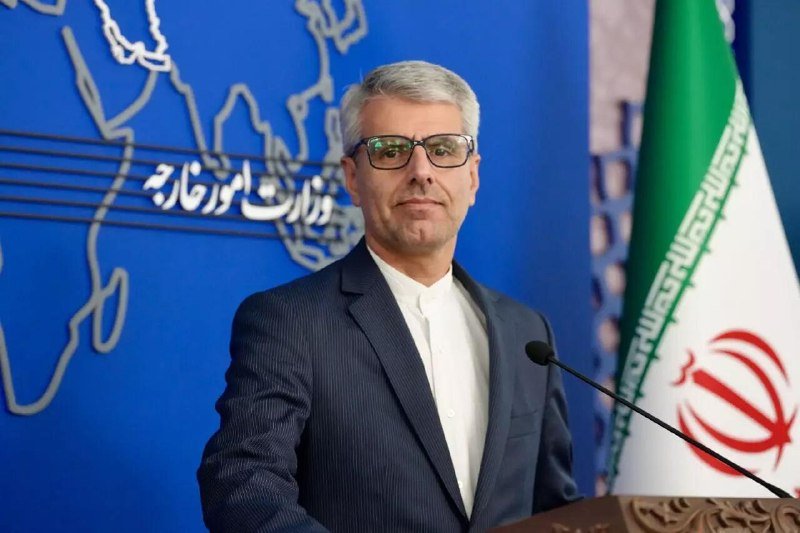
At the 2026-06-16T19:00 kickoff in Group C, Iran and New Zealand walked out to a stadium that had already been declared a venue before it was ever discussed as a workplace. By the time the final whistle blew over a 2-2 draw, the lineups had been picked, the substitutions made, and the post-match talking points written by people who never touched a ball. The players, as ever, were the last to be consulted about the tournament they were sent to carry.
The scoreline tells one story. Iran went ahead twice, New Zealand equalised twice, and the result leaves both sides with work to do but nothing catastrophic. The political story is the one that travelled faster. The 2026 FIFA World Cup, hosted across the United States, Canada and Mexico, has been freighted since the day it was awarded with everything except a coherent conversation with the players' unions, migrant worker representatives, and the cities that will absorb the cost long after the trophy is lifted. A 2-2 draw is, in that sense, almost beside the point.
The match, briefly
Iran took the lead in the first half, were pegged back, went ahead again, and conceded a second equaliser in the closing stages. New Zealand, the lowest-ranked side at the tournament by most measures, treated the occasion as a stage rather than a sentence. The point earned keeps both teams alive in a group that will not forgive another dropped result. Tactically the game was open, end to end, and short on the cagey caution that opening fixtures usually produce. Reporters on the ground described an Iranian side that pressed high and a New Zealand side that refused to be awed by the occasion.
What the match could not do, of course, was settle any of the questions the tournament arrived with. It could only add ninety minutes of evidence to arguments that were already mature.
What the players were not asked
The political economy of this World Cup has been visible for years. Host cities signed hosting agreements that committed public funds to security, transport and stadium upgrades. Migrant worker advocacy groups documented wage theft, passport confiscation and a string of workplace deaths on Gulf tournament infrastructure long before a ball was kicked in North America. Domestic leagues complained that the calendar had been bent to accommodate a competition that pauses their own seasons without compensating the clubs that built the squads the national teams will draw from.
None of those issues is new. All of them were settled, in the sense that decisions were taken, before the players were asked their view. The Iranian squad, in particular, has spent the cycle managing the standard collision between national-team duty and the political expectations placed on athletes who happen to be the most visible citizens of any given week. New Zealand arrived with fewer geopolitical tripwires and the same structural complaint: that the people who run the sport treat the workforce as a resource to be allocated, not a constituency to be consulted.
The bigger tournament in the room
The match sat inside a news cycle that had nothing to do with football. JD Vance's reported message to Iran-deal critics in Israel, framed around the billions in US defence aid, played out across the same afternoon. Iran's announcement of new maritime fees for the Strait of Hormuz landed in the same news window. So did reports that the US administration is pushing for an Iranian settlement under the pressure of a domestic electoral calendar, with congressional elections less than six months out. A separate report, attributed by Israeli outlet Kan 11 to a source in Syria, claimed that Ahmad al-Sharaa refused a Trump request for Syrian troops to participate in operations against Hezbollah in Lebanon, a claim that, if true, would redraw the coalition arithmetic around any future escalation.
None of that is the players' fault. All of it shapes the air the players breathe. A Group C draw in a North American stadium is, in 2026, a small piece of a much larger diplomatic floor show, and the players are performing on it whether or not anyone briefed them on the choreography.
What the wire missed
The dominant wire treatment of the afternoon treated the Iran–New Zealand match as a soft-political story with goal timestamps appended: a colour piece with a scoreline, rather than a political story with a goal log. The inversion is the more honest read. The result will be forgotten by the second matchday. The structural fact that two national squads were deployed as ambassadors for a tournament whose commercial architecture they did not negotiate will outlast every group-stage table.
The players, to their credit, played as if none of this was their problem. That is the job, and they did it. The argument is not with the Iranian and New Zealand squads of 2026; it is with the people who decided, years ago and without their input, that the show would go on.
Sources
- https://t.me/BellumActaNews, BellumActa News, Telegram wire (date stamp: 2026-06-18)
- https://t.me/alalamarabic, Al Alam Arabic, Telegram wire (date stamp: 2026-06-18)
- https://t.me/Middle_East_Spectator, Middle East Spectator, Telegram wire (date stamp: 2026-06-18)
- Telesur English, X post, Iran vs New Zealand match reporting
- Sprinterpress, X post, US Iran settlement pressure, 2026-06-18T23:31
- Al Jazeera English, Telegram, World Cup 2026 group-stage coverage
- Tasnim News, Telegram, 2026-06-18T23:30
Desk note
This article sits at the intersection of two desks Monexus usually keeps apart: sport and the Middle East. The wire treatment has been to treat the match as a soft-political story with goal timestamps appended. Monexus treats it the other way around: as a political story with a goal log.