Emily Blunt's alien voice and the quiet line Hollywood is drawing around its own tools
Emily Blunt’s refusal to let a Spielberg alien borrow her voice is the first clean public example of the SAG‑AFTRA deal working as written, and a quiet preview of the next bargaining round.
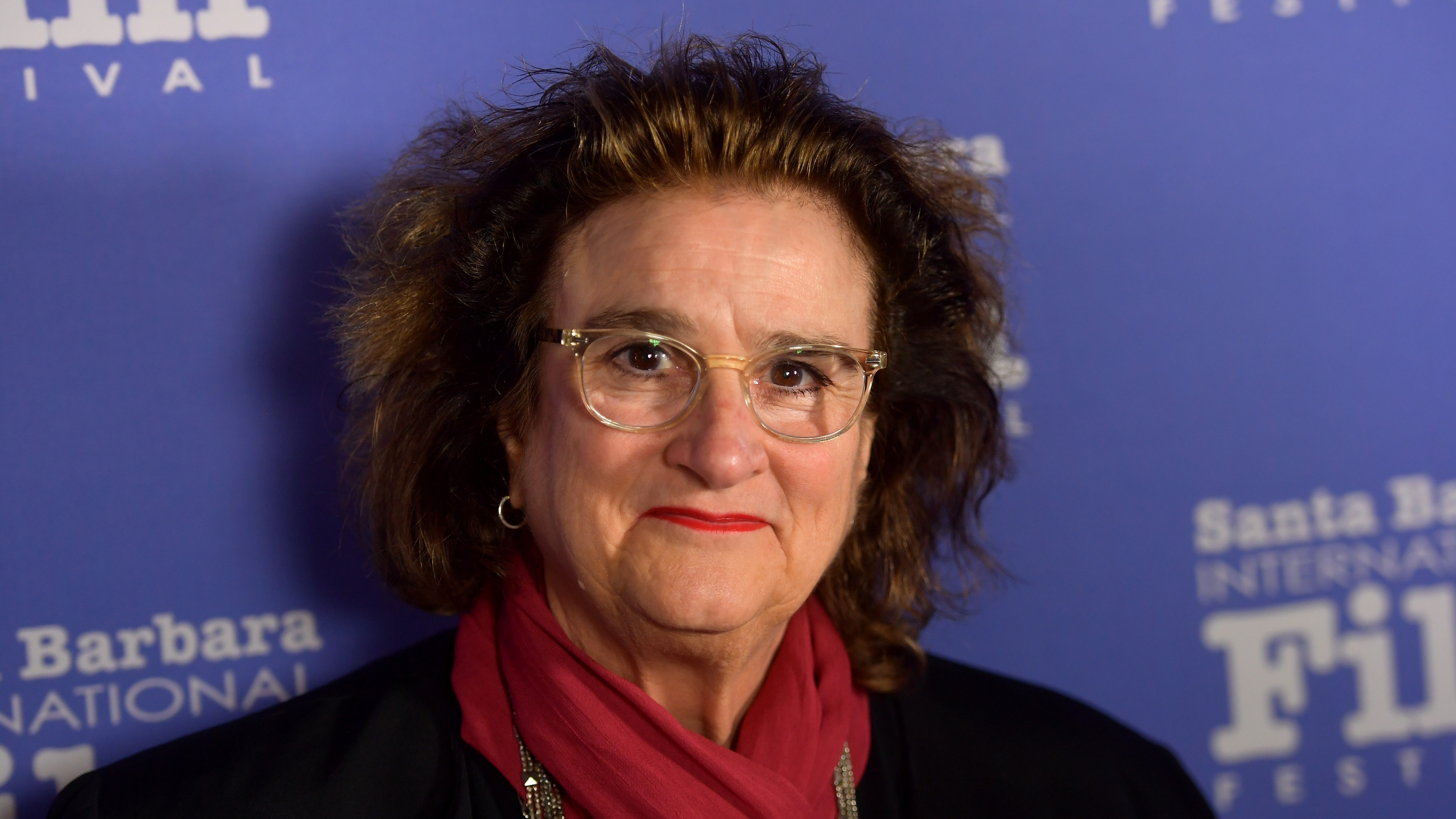
Emily Blunt, the British actor whose vocal control has carried everything from a thick‑accented American cover operative in Sicario to a sing‑song cartoon chipmunk in The Chipmunks, told a press conference in early June that her next major role has to be performed with her own voice. The role on the table is an alien in a Steven Spielberg project, she said. The fact that this is now a decision point, rather than a footnote in a production memo, is the story.
The 2023 SAG‑AFTRA strike drew a line around a performer’s likeness, voice and performance in the age of generative tools. The settlement approved by actors later that year codified protections around digital replicas and required informed consent and compensation when synthetic versions of a performer are built, reused or altered. That contract language is now living inside the production schedules of 2026, and the Blunt comment is the most legible example so far of how a star lever is being exercised inside that new frame.
The opt‑out as a casting decision
Spielberg is the director on the alien picture Blunt referenced, according to reporting confirmed by her representatives; he is one of the few filmmakers left whose name on a poster still moves budget lines, and his studio attachments are public record. That he would, by June 2026, be working from a script that asks a performer to hand over days of voice capture to a synthetic pipeline is not a surprise. It is the expected cost of doing business in a town where background work is regularly brushed out of focus, where deceased actors are already appearing in commercials, and where a single weekend of ADR can be algorithmically recombined into a dozen new lines.
What is new is that a tier‑one star has framed the request as a line item she will not cross. Blunt did not call for a boycott, did not denigrate the technology, and did not moralise. She said she did not want to sound, in perpetuity, like a version of herself filtered through a model trained on her own deliveries. For an actor trained in theatre and accents, the argument is about the instrument, not the politics. It is the most performance‑focused objection to synthetic voice yet voiced by a working A‑list lead, and that framing does the unionised crew around her a quiet favour. It relocates the debate from job loss to craft.
Why the strike’s language matters here
The 2023 work stoppage ran 118 days and ended with a contract that addressed, for the first time, the specific risks generative tools posed to on‑camera and on‑microphone performers. The key protections required informed consent for the creation of digital replicas, separately negotiated compensation for any subsequent use of those replicas, and disclosure to the union when a production intends to use synthetically generated performance at all. Background actors, who during the strike famously marched under “Stop the Steal of Our Faces” placards, won the most explicit restrictions; principal cast members inherited a frame that constrains how studios can stretch a star’s catalogue on the back end.
A studio invoking that contract to clone Blunt’s voice for an alien would, by the letter of the agreement, need her informed consent and a separate bargain on reuse. By not signing away that voice, Blunt is choosing to live inside the consent box the union drew in late 2023. It is the kind of opt‑in that the post‑strike architecture quietly assumed would become routine among top‑of‑the‑posters talent, and had not yet produced a clean public example of, until now.
The industrial logic studios are working with
Studios are not asking because they think voice synthesis will make a Blunt performance worse. They are asking because sound stages are expensive, scheduling is unforgiving, and reversion work on animated characters can eat weeks that post‑production can no longer afford to absorb. An alien role that needs a register outside an actor’s natural range, that needs screams, that needs a child‑to‑adult arc that read more cleanly when Samuel L. Jackson or Liam Neeson could simply hand the model a couple of sessions’ worth of takes to chew on, becomes cheaper and faster if the model has a library of the star already approved in writing.
The risk for studios is not that an actor says no and walks from the project. The risk is that the actor says no and stays, and the studio is forced to either pay through the rate card for full in‑person days, or rewrite around the constraint. The settlement made the rate‑card path survivable. For every Blunt who declines, there is pressure to develop a deeper roster of working actors willing to licence their voice for less marquee work, which is exactly the ladder that the post‑strike compensation regime is meant to underwrite.
What is being said in the press notes
Publicity teams around the Spielberg project have not, as of publication, confirmed or denied the studio side of the request. That silence matters: a production with this much pedigree and this much budget rarely lets a casting‑process story drift for a week without a response unless the story is itself useful. The story being useful looks like this: a major star publicly insists on doing the work herself, and the studio is gently reminded that the contract permits the request and that the contract is going to push the cost line up. The studio then either pays the days or finds another actor.
There is also a softer read, which is that the Blunt comment is being allowed to circulate because it flatters a viewer who is uneasy about synthetic performance. A red‑carpet line about the integrity of one’s own voice reads as stance, not grievance. The studio gets a sympathetic female lead in the press; the actor gets credit as a defender of the craft; the union gets a free advertisement for a clause it had to fight for three years ago.
What to watch before the cameras roll
Production schedules filed with the California Film Commission for late 2026 and early 2027 will tell us how the budget reality lands. The interesting months are October through January, when the actual contract terms for voice capture on any Spielberg 2027 release have to be in writing for an interim agreement to hold. If Blunt appears on set doing her own voice work, the story becomes a quiet precedent: an A‑list opt‑out exercised cleanly, with no walkouts and no public rupture. If the role is recast, that will be the more telling story, because it will mark the first time a major studio has chosen to absorb the cost of a credit rewrite rather than the cost of a voice licence.
Either outcome will be cited in the next round of bargaining, scheduled to begin well before the current contract sunsets. The clause that made Blunt’s refusal legible is the same clause that studios will test in the next negotiating window. What the 2023 strike gave the union, in other words, is not a wall. It is a permission slip, and the next eighteen months will reveal how sturdy that slip is when a star pulls it out in front of a green screen.
Sources
- Wikipedia: 2023 SAG‑AFTRA strike, Wikipedia
- Wikipedia: Emily Blunt, Wikipedia
- Wikipedia: Steven Spielberg, Wikipedia
Desk note: Monexus framed this as an industry‑labour story inside a culture file, rather than as a technology story, because the choice on offer to Blunt is a contract question the 2023 strike answered and the 2026 production schedule inherits.