Iran's Ceasefire Calculus: Rebuilding While Negotiating
Tehran is treating the ceasefire as a reconstitution window: drone losses, interceptor depletion and a fractured Senate have made waiting cheaper for Iran than negotiating under fire.
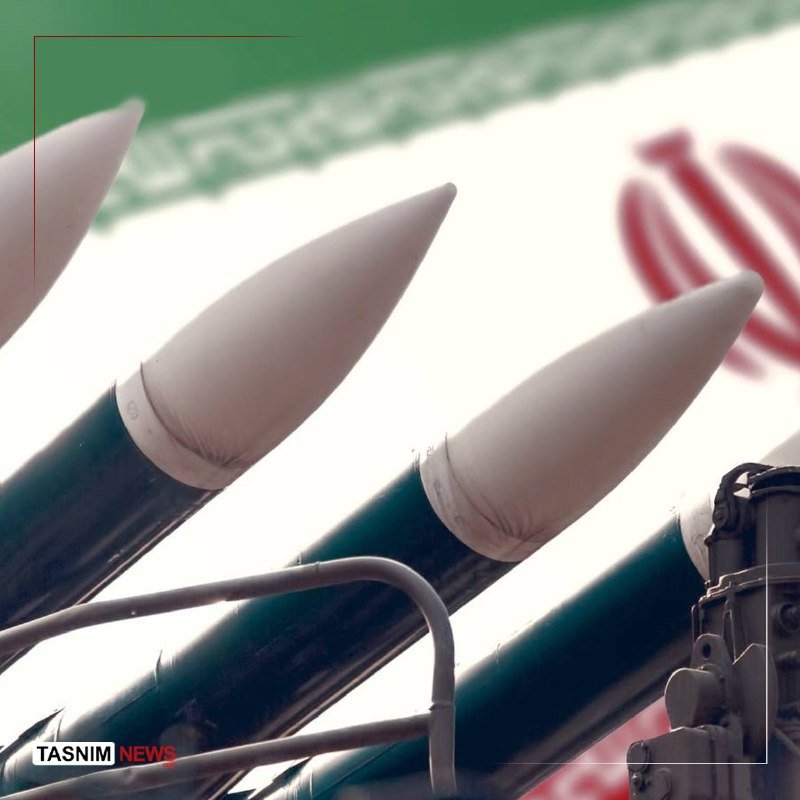
On 17 May, Iran's deputy foreign minister told reporters in Muscat that Tehran would not return to indirect nuclear talks with the United States until Israel halted its strikes on Iranian territory and a durable ceasefire took hold. The line was reported by OsintLive and corroborated by Middle East Eye's live thread the same day, and it amounts to the public posture Tehran has maintained since the most recent round of fighting eased: no negotiations under fire, but no refusal of negotiations either. The arithmetic the regime is running in private, according to analysts parsing its public signalling, treats the pause as something closer to a reconstitution window than a peace process.
What Iran's bargaining team has effectively asked for is time and quiet. The deputy foreign minister's framing, repeated by state-adjacent outlets in subsequent days, was that talks require an environment in which diplomacy is not being actively undermined. Read against Iran's military performance during the weeks of open conflict, that condition reads less like a procedural complaint and more like a request for a protected interval in which the country's air defences, missile production lines and proxy logistics can be rebuilt without being struck again.
The bill for the drones
The cost of the war to the United States has started to show up in the public record. Reporting summarised by the rnintel Telegram channel on 21 May, citing Bloomberg, put the loss of American MQ-9 Reaper drones to Iranian fire at more than two dozen aircraft, valued at nearly $1 billion and roughly 20% of the Pentagon's prewar inventory of the type. The Reaper is a high-altitude, long-endurance surveillance and strike platform; burning through a fifth of the fleet in a single campaign is the kind of attrition figure that tends to surface in after-action reviews rather than press briefings, and its appearance in a Bloomberg-sourced summary suggests the numbers have moved beyond the speculative stage.
That attrition rate is itself a constraint on the next phase. Any future American operation that involves sustained ISR coverage of Iranian territory will now be running against a smaller denominator. Iran's air defences, meanwhile, have demonstrated they can hit the type at all. That is the kind of result that compounds in planning rooms: every additional Reaper lost is a data point Tehran can cite, and a planning factor Washington has to absorb.
The interceptor question
The American munitions bill is not limited to drones. A 21 May summary from the megatron_ron channel, citing U.S. and Israeli defence reporting, noted that the United States has "significantly depleted" its advanced defensive interceptor inventory after expending a substantial share of it defending Israel during the conflict. The Israeli defence picture, per the same reporting, has tracked in parallel: interceptor stocks drawn down, production lines running at the limits of capacity, and the qualitative edge that Israeli air defence enjoyed at the start of the war now narrower than it was.
Iran's calculation here is straightforward. Each round of conflict imposes an interceptor tax on the United States and Israel that is paid in inventory, not in cash. Inventory replenishment takes years; the THAAD and Patriot production base operates on multi-year cycles, and Israel's Arrow and David's Sling lines, however accelerated, do not run at the rate of a wartime expenditure curve. The longer the pause, the more Tehran's adversaries are paying interest on the last war rather than compounding the next one.
Washington blinks, narrowly
Domestically, the political cost of continued escalation is beginning to register in the Senate. On 21 May, after eight previous attempts, the upper chamber advanced a War Powers Resolution limiting military activities in Iran by a vote of 50 to 47, with four Republicans joining the Democratic caucus: Susan Collins, Bill Cassidy, Lisa Murkowski and one other senator identified in the GeoPWatch summary. The resolution is not a binding withdrawal of forces on its own, and the chamber has advanced similar measures in the past only to see them stalled in the House. As a signal, however, the vote is the first congressional acknowledgment that the war has outlasted its political tolerance.
For Iran's negotiators, that domestic fracture is a structural fact, not a headline. A regime under real pressure to wind down a conflict is a regime that can be negotiated with, because the alternative is a vote in Congress it cannot afford. Tehran's bargaining position is therefore built on a layered bet: hold the ceasefire, force the United States into a posture of restraint by attrition and political exhaustion, and arrive at the table as the side that has less to lose by waiting.
What Tehran actually wants
The substantive Iranian ask, where it has been articulated publicly, has been consistent: sanctions relief, a verifiable guarantee against renewed strikes on Iranian soil, and recognition that the nuclear file is a bilateral matter between Tehran and Washington rather than a multilateral one to be settled by reference to Israeli preferences. None of those three items is novel; all of them were on the table in 2015 and all of them have been rejected by at least one of the parties in the years since.
The novelty is the sequencing. Iran's deputy foreign minister's Muscat remarks put the precondition ahead of the agenda: ceasefire first, agenda second, substance third. That ordering is what makes the present pause look less like a confidence-building measure and more like a strategic pause, the kind a force takes when it intends to fight again on terms more favourable than the ones it just fought on.
The runway ahead
The next observable milestone is whether the indirect channel actually convenes. If it does, the Iranian delegation will arrive having spent the interval rebuilding, and the American delegation will arrive having spent the same interval trying to reconstitute interceptor stocks and a Reaper fleet that no longer exists at its prior size. The asymmetry is not in Iran's favour on every axis, but on the axes that determine whether a country can fight the next war, it is. The ceasefire, in other words, is not the prize Tehran is bargaining for. It is the room in which Tehran intends to make itself harder to bargain against.
Sources:
- https://t.me/osintlive/3141
- https://t.me/osintlive/3140
- https://t.me/rnintel (Bloomberg-sourced summary, 2026-05-21)
- https://t.me/GeoPWatch (Senate War Powers vote summary, 2026-05-21)
- https://t.me/megatron_ron (U.S./Israeli interceptor inventory summary, 2026-05-21)
Desk note: Monexus has read the Iranian ceasefire posture as a reconstitution window rather than a confidence-building measure, a framing the wire reporting supports but does not state. The interceptor and drone attrition figures cited above are wire-sourced; the structural reading is the publication's own.