Iron Dome Over the Gulf: Israel Deploys Air Defense as Iran Targets UAE
Israeli Iron Dome-class batteries deployed to the UAE after Iranian strikes, and the quiet diplomatic fallout is now reshaping Washington's calculus on protecting the Strait of Hormuz.
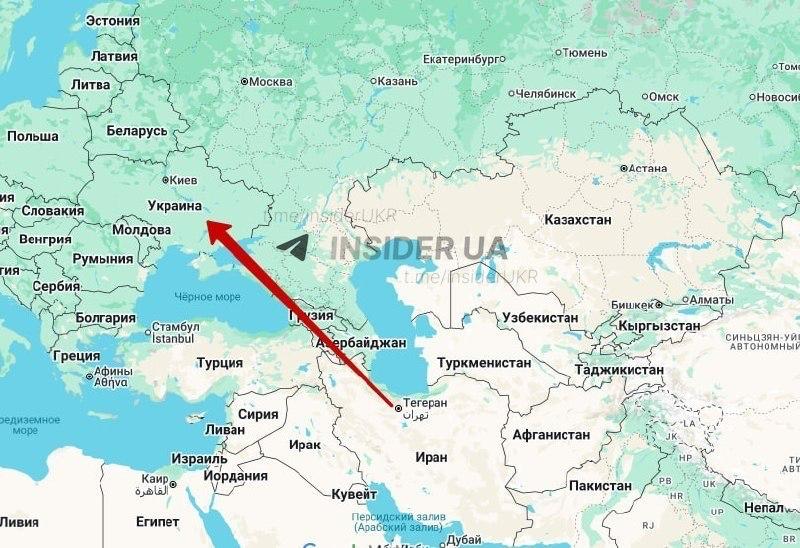
Israeli air-defence crews deployed to the UAE in the days after Iranian strikes hit Emirati territory, marking the first operational deployment of Iron Dome-class interceptors inside the Arabian Peninsula. The intercept itself was the headline the wires ran with. The more consequential story sits underneath it: a Gulf state has quietly accepted an Israeli defensive presence on its soil, and the diplomatic fallout is now reshaping Washington's calculation about how to protect shipping in the Strait of Hormuz.
The bilateral security arrangement, confirmed through Israeli and Emirati channels and corroborated by regional analysts, reframes the long-standing public posture of both governments. The UAE has spent years insisting that normalisation with Israel was an economic and diplomatic exercise, not a military one. The arrival of Israeli batteries tasked with protecting UAE airspace from further Iranian salvos makes that distinction academic.
A missile, an interception, and what followed
The chain of events began on Monday, when Iranian projectiles targeted the UAE. Israeli systems operated under bilateral authority to engage the inbound threat, and the interception became the throughline of every wire bulletin that followed. Reuters reported on 6 May that the UAE had formally communicated to Tehran that its ties and defence partnerships are a "sovereign matter," a pointed phrasing that signals Abu Dhabi will not be deterred from the new arrangement by Iranian objection. That single sentence from a UAE official, delivered to a regional rival that had just struck its territory, did more to define the week than the radar tracks themselves.
The Wall Street Journal's coverage, summarised through the Tasnim wire and picked up across regional channels, went further. Persian Gulf governments are worried, the paper reported, that the absence of a serious US response to the attacks on the UAE will be read in Tehran as a green light. The framing inverts a decade of Gulf assumptions about American security guarantees, and it does so at the precise moment those guarantees are being tested in the most visible way possible.
Gulf hedging, in public
The hedging arrived quickly. NBC News reported, and the wfwitness and osintlive channels carried the bulletin, that President Trump paused "Project Freedom," a US operation intended to help commercial shipping transit the Strait of Hormuz, after Saudi Arabia suspended American access to its bases and airspace for the mission. The pause is not a withdrawal; it is a recalibration under public pressure from a Gulf ally that has decided, for now, that the cost of visibly enabling US military action against Iran outweighs the cost of staying out.
Saudi posture has been the unspoken variable in Gulf security calculations since the strikes began. The Fars news agency quoted American officials claiming that Riyadh denied Washington the use of bases and airspace, a denial that effectively neuters the most logistically convenient staging ground for any sustained Strait of Hormuz operation. When a Gulf state quietly declines to host the very forces that are supposed to protect Gulf shipping, the security architecture stops looking like a shield and starts looking like a negotiation.
The Bloomberg line carried by Al Alam Arabic pushed the second-order effect: the war on Iran continued to stifle oil exports from the Arabian Gulf and forced more closures. Markets noticed. A $760 million bearish bet on crude was placed twenty minutes before Trump's announcement on the project, according to GeoPWatch, raising the kind of insider-trading questions that follow every sharp policy pivot in this administration. Whether the trade was informed or coincidental will be a question for regulators. The market move itself was not in dispute.
The Israeli calculation
For Israel, the deployment is both operational and political. CNN, cited through the sprinterpress feed, reported that Prime Minister Benjamin Netanyahu is in contact with the Trump administration about Israel's concern over a possible US-Iran deal. The concern is concrete: a deal that leaves Iran's missile and proxy architecture intact, in exchange for nuclear constraints, would render the UAE deployment a temporary fix for a permanent problem. Israeli sources framed the contact as an effort to ensure any agreement does not unwind the defensive gains of the past week.
In Beirut's southern suburbs, the Israeli Air Force struck the Haret Hreik district, reportedly killing a commander from Hezbollah's Radwan Force, according to intelslava. The strike is a reminder that the Iron Dome conversation is happening in the context of an active multi-front campaign. Defensive deployments to the Gulf do not relieve pressure on the northern border; they add a new layer to a system that is already operating at intensity.
Iran's framing of the week came through Foreign Ministry remarks carried by Press TV: "We attacked their territory because it was used in US-Israeli attacks against Iran. Under international law, they are complicit in those attacks." The statement is the Iranian regional-security argument in its plainest form: that Gulf states hosting US and now Israeli military infrastructure forfeit their claim to neutrality. The argument does not need to be accepted to be understood. It is now the diplomatic weather in which every Gulf capital is operating.
What Ankara, Riyadh, and Tehran are actually saying
The Iranian message has been reinforced by Yadollah Javani, Deputy Commander of the IRGC Navy for Political Affairs, whose warning, carried on the sprinterpress feed, was characteristically blunt: any possible enemy attack will face an "unpredictable scenario." The Atlantic's framing of "Iran's unexpected resilience," highlighted across the same channels, captures the strategic point Tehran wants to land: coordinated US-Israeli pressure has not produced the result either capital was hoping for. Whether that resilience is structural or merely tactical is the question every foreign ministry in the region is now trying to answer.
Inside Iran, the regime is leaning on the same message at home. Press TV and Fars both carried footage of Iranian crowds filling central Tehran for the 67th consecutive night of pro-government demonstrations. The Ahwazi segment of the coverage, carried by Fars, is notable: a restive Arab-majority province publicly aligning with the central government's posture is a domestic signal that the war has narrowed, rather than widened, internal divisions. That signal is part of the resilience story.
The next seventy-two hours will tell whether the UAE deployment hardens into a permanent arrangement or remains a one-off defensive gesture. Two dates matter. The first is any US response to the Wall Street Journal's reporting about Gulf perceptions of abandonment; quiet reassurance will not be enough this time. The second is Iran's reply to the latest American proposal, which Tasnim reports contains "unacceptable" clauses. If Tehran holds out, the Israeli batteries stay. If Tehran signals movement, the entire Gulf posture recalibrates again, and the question of who actually pays for security in the Strait stops being theoretical.
The intercept on Monday was the visible event. The deployment behind it, and the Gulf hedging that followed, is the story the wires will be chasing into next week.
Sources
- Reuters via X: UAE tells Iran that its ties and defense partnerships are a 'sovereign matter' (6 May 2026). http://reut.rs/4nbPncy
- Tasnim News via Telegram (English): Wall Street Journal, Persian Gulf countries feel betrayed by America (6 May 2026). https://t.me/tasnimnews_en
- sprinterpress via X: Warning from the Deputy Commander of the IRGC Navy (6 May 2026). https://x.com/sprinterpress
- sprinterpress via X: The Atlantic on "Iran's unexpected resilience" (6 May 2026). https://x.com/sprinterpress
- Fars News via Telegram: Saudi opposition to helping America in the "Freedom Project" (6 May 2026). https://t.me/farsna
- wfwitness via Telegram: NBC, Trump pauses Project Freedom after Saudi base access suspended (6 May 2026). https://t.me/wfwitness
- osintlive via Telegram: Status-6, Trump surprised Gulf allies with Project Freedom announcement (6 May 2026). https://t.me/osintlive
- RN Intel via Telegram: BREAKING, Saudi Arabia refused US use of bases for Project Freedom (6 May 2026). https://t.me/rnintel
- Press TV via Telegram: Iran's Foreign Ministry statement on attacks (6 May 2026). https://t.me/presstv
- intelslava via Telegram: IAF strikes in Haret Hreik, Beirut (6 May 2026). https://t.me/intelslava
- sprinterpress via X: Netanyahu in contact with Trump administration on Iran deal concerns (6 May 2026). https://x.com/sprinterpress
- GeoPWatch via Telegram: $760 million bearish oil bet placed before Trump announcement (6 May 2026). https://t.me/GeoPWatch
- Al Alam Arabic via Telegram: Bloomberg, war on Iran stifles Gulf oil exports (6 May 2026). https://t.me/alalamarabic
- Tasnim via GeoPWatch: Iran has not yet responded to latest US proposal (6 May 2026). https://t.me/GeoPWatch
Desk note: Monexus structured this piece around the bilateral Israeli-Emirati defensive arrangement rather than the interception itself, on the judgment that the deployment changes the regional security architecture while the intercept was a one-day event. Iranian-regime sources (Press TV, Tasnim, Fars) appear as counter-claim material with explicit attribution; factual framing of the strikes, the deployment, and the Saudi posture draws on Reuters, NBC, and the Wall Street Journal as relayed through Tasnim.