Red Bull Lead the Pack as Miami GP Qualifying Heats Up
Red Bull Racing emerged at the front of the field as the second qualifying segment got underway at the Miami International Autodrome on May 2, 2026, setting the stage for a potentially pivotal grid-determining session.
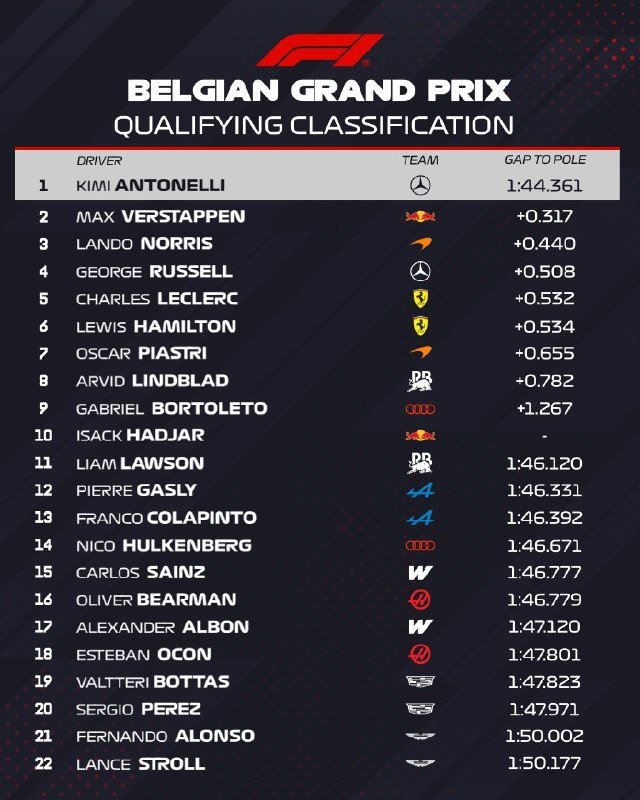
The second qualifying segment at the Miami International Autodrome opened with Red Bull Racing at the front of the grid on May 2, 2026, as the Formula 1 paddock navigated a pivotal session that would determine starting positions for Sunday's grand prix. The green flag for Q2 dropped at 20:34 UTC, with both Red Bull entries leading the field onto the track surface that has become one of the calendar's most technically demanding circuits since its 2022 debut.
The session marks a critical juncture in the championship picture. With the grid already shuffled through Q1's elimination of slower entries, those remaining in Q2 face a compressed window to post competitive lap times. The Miami circuit's combination of long straights, heavy braking zones, and low-grip asphalt has historically punished drivers who leave their pushes too late—and rewarded those who can extract performance early when track conditions remain consistent.
What the Early Laps Signal
Red Bull's decision to send both cars out at the front of the field carries strategic weight beyond mere visibility. In Miami's ambient heat and humidity, track evolution becomes a significant variable: grip levels typically improve as rubber lays down, but early runners sometimes benefit from a cleaner racing surface before traffic complicates the picture. By leading the pack onto the circuit, the team positions itself to establish baseline reference times while avoiding the turbulence of a crowded track in their first flying laps.
The approach reflects a calibration that has defined Red Bull's qualifying strategy across recent seasons—maximising clean air in the opening minutes of each segment before the field converges on optimal lap windows. Whether this translates to outright pole contention depends on how rival teams respond once the full grid takes to the circuit.
The Championship Context
Miami has become more than a spectacle stop in the years since Formula 1's American expansion. The grand prix sits at an inflection point in the calendar that often proves decisive: early enough in the season that momentum can compound, late enough that teams have moved beyond initial development tranches and settled into competitive hierarchies. A strong qualifying result here—particularly for a team with championship ambitions—carries knock-on effects for race strategy, pit window calculations, and the psychological edge that accrues to front-row starters on a circuit where overtaking requires either significant tyre management advantages or rival misfortune.
For Red Bull, the session represents an opportunity to consolidate advantages built across the opening flyaway races. The sources available do not include detailed championship standings or season performance data, but the team's consistent presence near the front of qualifying sessions across recent campaigns suggests expectations run high whenever the green flag falls.
Structural Pressures on Qualifying Performance
The compressed nature of Miami's race weekend—fewer practice hours than traditional European circuits, more commitments to the entertainment apparatus that F1 has cultivated in the American market—places a premium on track time efficiency. Teams that extract maximum data in limited sessions carry that advantage into qualifying. This dynamic has made Miami particularly punishing for outfits that arrive with unrefined setups, and particularly rewarding for those with strong simulation and predictive engineering capabilities.
The sport's commercial evolution has reshaped the practical meaning of qualifying in ways that extend beyond raw speed. Starting position determines not just race outcome but sponsorship exposure, media positioning, and the narrative arc of a weekend that American audiences now engage with as a standalone event rather than a build-up to European races. The stakes for competitive teams are therefore multidimensional—technical performance and commercial positioning intertwine in ways that amplify even small advantages.
What Remains to Be Seen
The opening minutes of Q2 provide only an initial signal. The session's definitive outcome will emerge only as the final minutes tick down and drivers across the grid push toward their own limits. Rival response, tyre strategy timing, and the inevitable traffic complications that emerge as slower cars complete their hot laps all remain variables that the sources available from this reporting moment do not fully capture. The full grid picture—including which drivers ultimately progress to Q3 and the final starting order for Sunday's race—will resolve in the session's closing stages.
This report draws on real-time track-side reporting from the Miami International Autodrome. Additional performance data, driver quotes, and full qualifying results were not available within the source material at time of publication.
Wire provenance
This editorial synthesis draws on the following public wire/social posts:
- https://t.me/formula1/12458