The DJ and the Diplomat: Marco Rubio's Wedding Set and the Politics of Being Normal
A wedding-set video sat on top of a dense diplomatic week: an Iran plan via Pakistan, a Lavrov-Rubio call, a $4.50 fuel curve. Monexus reads the spectacle against the stack.
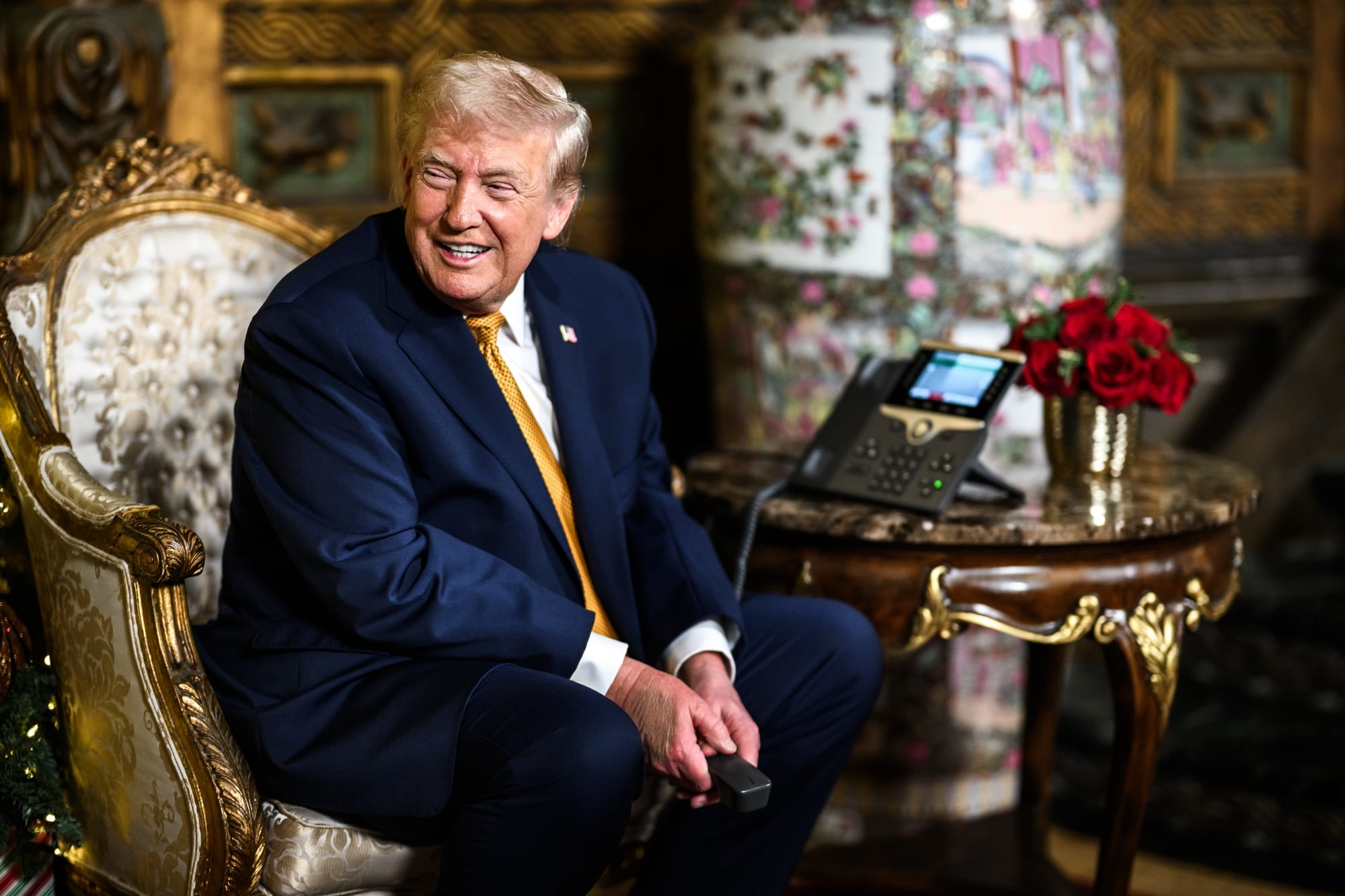
On the evening of 3 May 2026, a short video began circulating across Arabic and Ukrainian Telegram channels: the United States Secretary of State, Marco Rubio, working a DJ controller at what appeared to be a wedding reception, headphones on, head nodding, the room lit in warm amber. The clip migrated within hours from niche diplomatic feeds into the broader wire ecosystem, where outlets struggled to file the moment in any register other than human interest.
What makes the clip worth a second look is not the spectacle. It is the timing. The video surfaced less than two weeks after Rubio declared Washington's military campaign against Iran, branded "Operation Epic Fury", complete in the wake of a ceasefire (Press TV, 5 May 2026). It arrived while Iran's foreign minister, Abbas Araghchi, was in Beijing meeting his Chinese counterpart on regional and international issues (Press TV, 5 May 2026), and while Tehran had reportedly transmitted a 14-point plan to end the conflict to Washington through Pakistani mediation (Zvezda News, citing Tasnim, 5 May 2026). The DJ booth sat, in other words, on top of an active diplomatic stack: a live US-Iran track, a US-Russia line opened by Sergei Lavrov and Rubio the same evening (OSINT Live, citing the Russian foreign ministry, 5 May 2026), and a fuel-price curve that had pushed US petrol close to $4.50 a gallon (World News, 5 May 2026).
The optics of the booth
Wire framing treated the clip as a curiosity, a single data point outside the formal record. But the modern diplomatic instrument is not only the readout, the joint statement, or the read-out call. It is also the curated image of normalcy that runs in parallel. A Secretary of State who can headline a wedding, the implicit message goes, is a Secretary of State whose country is not at war in any way that intrudes on ordinary life. The persona of the DJ does not contradict the persona of the principal foreign-policy architect; it complements it. One performs seriousness, the other performs the absence of crisis.
This is not unique to Rubio or to this administration. It is the operating logic of contemporary state communications across most Western foreign-policy establishments. A leader is shown at a football match the morning of an airstrike; a chancellor is photographed hiking on the day a coalition is announced; a foreign minister dances. The point is not deception. The point is bandwidth management: the public square has limited attention, and governments compete with influencers, streamers and entertainers for the same screens.
The back-channel evidence
Read against the same week's traffic on Telegram channels covering Ukraine, Russia and the Middle East, the diplomatic surface area was unusually dense. Araghchi's Beijing visit. The Pakistani-mediated Iranian plan. The Lavrov-Rubio call. Rubio's insistence to reporters that a trip to the Vatican had been planned from before any friction between President Trump and Pope Leo (Reuters, 5 May 2026). His separate comment that the status quo in Cuba was unacceptable but that the United States would address it "not today" (Reuters, 5 May 2026). Each of these was a discrete, sober, on-the-record item. Each arrived inside a news cycle that also contained a clip of the country's chief diplomat playing music at a wedding.
The Reuters framing of the Vatican trip is instructive. The wire reported Rubio's denial that timing was tied to a Trump-Pope rift in the form of a direct quote, then moved on. The denials get archived alongside the original rumour; the joke rarely catches up. It is the same grammar that runs through the DJ clip. Denials, contextualising, "he was always going to play that set": these appear beside the image and tend to dissolve into it.
What the spectacles cost
The legitimate case for treating the clip as innocent is real. Officials are human. Wedding sets are wedding sets. There is no evidence the video was staged for distribution, and the channels that first carried it were not US-aligned propaganda outfits. The honest reading is that a man who happens to be Secretary of State went to a friend's wedding and did what friends sometimes do.
The structural reading is also real. Public attention is finite. A clip that occupies the front of the queue on a Tuesday evening pushes other items down it. In a week when Iran's foreign minister was in Beijing, when a fourteen-point plan was reportedly in transit through Islamabad, when fuel prices were tracking towards $4.50 a gallon, when the Vatican's relationship with Washington was being parsed in real time, and when the Secretary of State was also describing Iran as having a "high pain threshold" but not an "unlimited" one (Middle East Eye, citing Rubio, 5 May 2026), the placement of a feel-good human-interest frame at the top of the information stack is itself an editorial act, even if no one at the wedding intended it.
The two truths at once
Monexus has framed this piece neither as scandal nor as defence. The clip is what it appears to be: a man DJ-ing at a wedding. It is also a small case study in how contemporary diplomatic communications blend the formal and the familiar, and how that blend changes which facts of the week the public encounters first. Both readings are true simultaneously, and the simultaneity is the point. Watch, in the days ahead, whether the next round of Iran-track, Vatican-track or Cuba-track reporting carries its own competing image; it almost certainly will.
Sources
- Press TV (Telegram), 5 May 2026: https://t.me/presstv
- Zvezda News / Tasnim (Telegram), 5 May 2026: https://t.me/zvezdanews
- Middle East Eye (X), 5 May 2026: https://x.com/middleeasteye
- Reuters (X), 5 May 2026: https://x.com/reuters
- OSINT Live (Telegram), 5 May 2026: https://t.me/osintlive
- World News, 5 May 2026
Desk note: Where wire outlets filed the clip as colour, Monexus treated it as a structural sample. Both readings hold.