The 2026 FIFA World Cup at 39 Days: A Festival of Football Arrives in a Fragmented Era
Thirty-nine days from kickoff in three countries, the 48-team 2026 FIFA World Cup is the largest and most politically loaded tournament since 1994, arriving as FIFA also stages a U-20 women's event in Poland and the global sports calendar reshapes itself around new commercial centres.
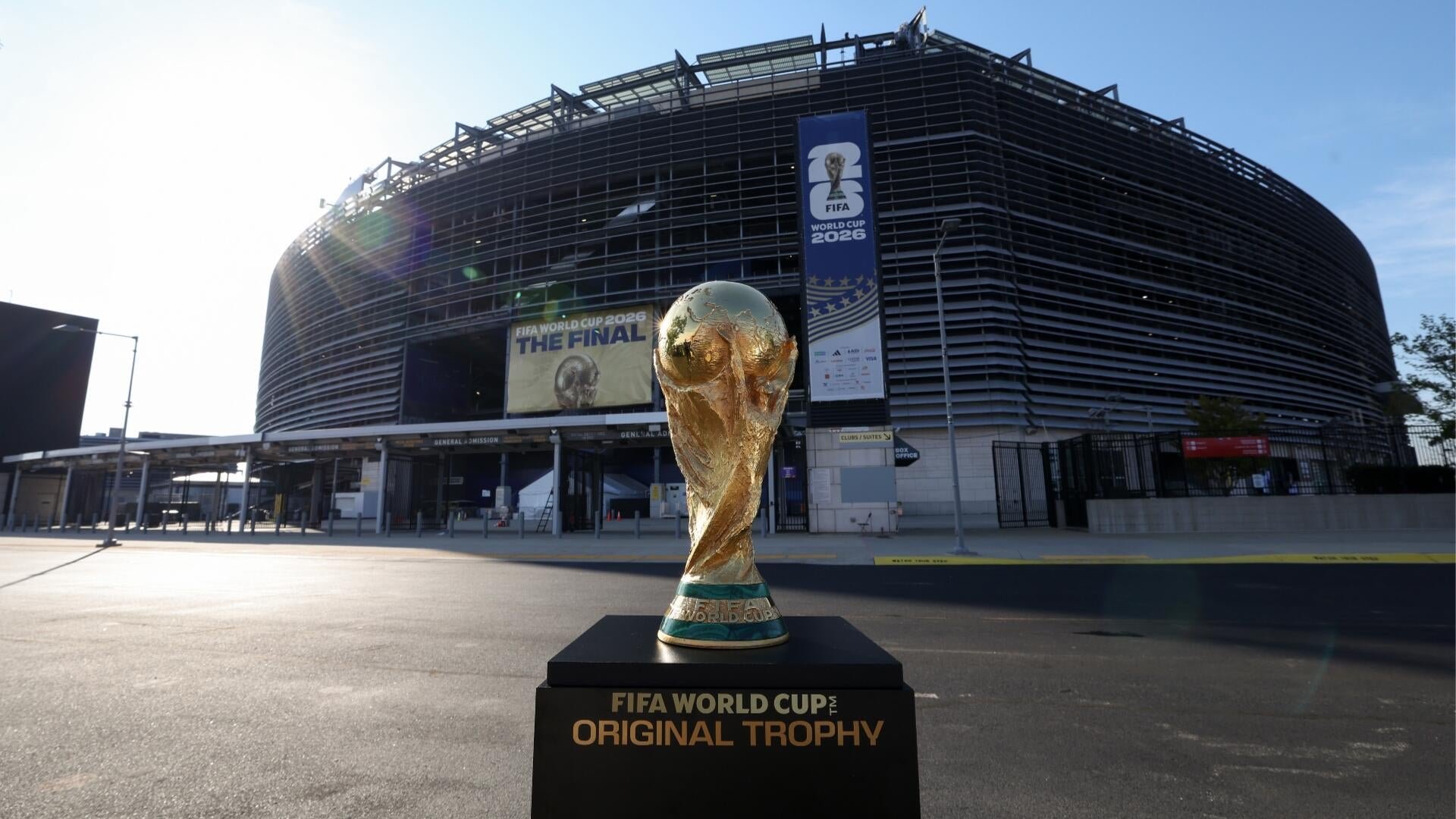
Thirty-nine days out from kickoff, the 2026 FIFA World Cup is the largest tournament in the federation's history and the most politically loaded one since 1994. On June 11, 2026, three host cities in three countries will start the same match at the same hour, the opening ceremony of a 48-team, 104-match month-long football festival that FIFA has spent the better part of a decade assembling.
Tournament organisers confirmed on May 5, 2026 that preparations across the United States, Canada and Mexico are tracking on schedule, with the trophy tour now in its final continental legs and national-team camps entering their pre-tournament cycle. The youngest stars of the women's game will arrive earlier, in September, when Poland hosts the FIFA U-20 Women's World Cup, with mascot Islana unveiled this week as the first marker of a separate, equally ambitious calendar. Two World Cups in one year, both framed by FIFA as platforms for a new generation: that is the institutional pitch.
What the calendar says now
Every four years, the men's World Cup compresses a great deal of national anxiety into six weeks. In 2026, the compression is unusually sharp because the tournament arrives during a fixture pile-up for the European sides. England finished a difficult Six Nations-style review of its own men's team in early May, with the Rugby Football Union backing Steve Borthwick through to the 2027 World Cup after a four-defeat campaign, a reminder that international sporting calendars rarely give federations the breathing room their sporting calendars used to assume. Football's parallel question is live: the BBC's preview of Morgan Gibbs-White's resurgence at Nottingham Forest this week revived the debate over who should start as England's number 10 in North America.
Off the pitch, the geography is the story. Forty-eight teams means more qualifiers, more political concessions, and more prize money spread further than at any previous men's World Cup. It also means more air miles inside a single host continent: from Mexico City to Vancouver, Miami to Philadelphia, Los Angeles to Monterrey. The 2026 tournament is the first to require three national governments to operate in concert on visas, broadcast rights, tax treatment of player image rights, and stadium security. That coordination is the substance behind the festival.
The Asian investment shockwave
The men's game is not the only football being recast in real time. In Sheffield this week, 19-year-old Wu Yize became the new world snooker champion, the fourth consecutive first-time winner of the World Championship and confirmation, per the Guardian's report, that China's investment in academy infrastructure is now converting into senior titles. Wu's run of form is part of a broader pattern: Asian national federations are willing to fund a longer athlete-development pipeline than several of the traditional Western sports economies currently sustain.
FIFA's response is structural. The awarding of the U-20 Women's World Cup 2026 to Poland, announced this week, lands in Central Europe as part of that redistribution. Poland's federation has the infrastructure and the broadcast market to host a senior tournament; the U-20 cycle gets FIFA a high-visibility women’s event outside the senior men’s footprint, where the development stakes are highest.
The political economy of the host
Forty-eight teams also means a bidding process that stretched the FIFA membership to breaking point. The host confederations (CONCACAF and CONMEBOL across Latin America, UEFA across Europe) carry most of the match load; Africa and Asia have larger qualifying pools than ever before, and several debut nations expect to play at a tournament for the first time. Player-trade journalists and club executives have already begun modelling squad fatigue against a club calendar that FIFA itself has lengthened in recent windows.
Meanwhile, sport's wider commercial horizon is being rewritten. Jon Rahm's deal with the DP World Tour announced on May 5 keeps him eligible for the 2027 Ryder Cup in Ireland, with the Spaniard agreeing to pay fines for prior event clashes. The compromise is a reminder that the elite athlete calendar, driven by Saudi-backed LIV and rival tours across golf, swimming, and combat sports, is now formally entangled with the traditional international windows. The Enhanced Games, the doping-tolerant Las Vegas showcase profiled this week, adds a second fault line: a parallel circuit pitched as the "next frontier of human performance" is operating openly during a month when the World Cup will command the largest single audience of the year.
Stakes for the 48-team era
The 2026 tournament is the first World Cup where the expansion from 32 to 48 teams is real rather than nominal. Every coach of a debut nation carries the weight of proving the expansion justified the dilution in talent. Every coach of an established giant carries a different weight: proving that the format change did not erode their grip. The combined strain on player welfare, broadcast revenue and host-city logistics is the structural test FIFA's next president will inherit regardless of who wins the 2027 vote.
Tasmania's AFL entry remains a useful analogy. Tasmania's VFL crowds this season have validated a multi-year campaign to bring top-flight Australian rules to the island, with full AFL inclusion set for 2028, per the Guardian's report from Hobart this week. Expansion is rarely as clean as the announcement; it is a decade-long negotiation between federation, club, host city and broadcast partner. The World Cup is the largest such negotiation the men's game has ever staged. Thirty-nine days out, the calendar is settled. The politics are not.